Archaeology/ Commercial Salvage and the Shipwreck of HMS De Braak
EducationArchaeology/ Commercial Salvage and the Shipwreck of HMS De Braak

The modern motto of sport divers is; “take only pictures, leave only bubbles”; it reflects a changing attitude as people have learned to understand and appreciate the importance of preserving historic shipwrecks.Jacques Cousteau’s invention of the aqua lung in 1942 made scuba diving popular by the 1950’s. Since then thousands of shipwrecks have been discovered by sport divers. Shipwrecks are time capsules, they offer a window into our past history, seemingly frozen in time and we like to believe they contain treasure.
Although we most often associate treasure with Spanish galleons, anything historical found on a shipwreck is considered “treasure”; it is treasure in the archaeological sense of the word. For example, human remains often have medical evidence that tell us about the health of the vessels crew and passengers. The remains can then be compared with artifacts in museums, although human remains are seldom found on wrecks that are more than 60 years old.
In some cases shipwrecks have been discovered with cargos that are much older than the ships them self. HMS Colossus was an 18th century warship that was discovered off the Silly Isles. The ships cargo contained pottery from Greece and Italy dating from the fourth century BC.
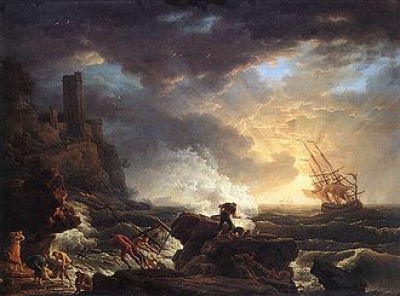
The construction of a ship and the type of timber used often reveals information about long forgotten ship building techniques. For example the discovery of the Dutch East Indian Batavia, which sank in 1626, and the excavation of the intact lower stern enabled Dutch shipwrights to reconstruct the Batavia. The Batavia is now a floating museum in Amsterdam harbor. Archaeologists learned that 17th century Dutch shipwrights built their ships from the keel up, starting with the main structure. This technique was contrary to ship building in the rest of Europe where they used a frame first method.
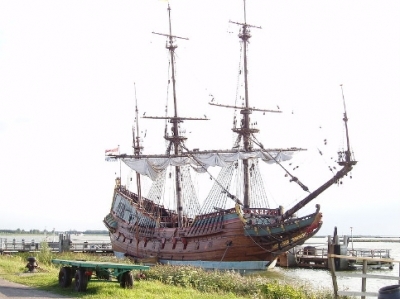
The reconstructed Batavia.
For many years there were no laws to protect historic shipwrecks in the United States. Salvage hunters had to apply for salvage permits or in many cases shipwrecks were simply looted. In their relentless hunt for treasure salvagers have disturbed and destroyed thousands of historic shipwrecks and precious artifacts. Fortunately the Abandoned Shipwreck Act was passed in the 1988. This law enables Individual states to claim ownership of shipwrecks provided they meet certain criteria. The shipwrecks must be historic and no more than three miles off shore.
These days it is common practice for archaeologist to work for commercial salvage companies. Although the archeologist are sometimes criticized, their argument is that it is going to take place anyway so it's better to be involved. When archaeologist have not been involved the results have been disastrous. As was the case with HMS De Braak, a Dutch built, Royal Navy sloop that capsized and sank in the Delaware River in 1798. The 16 gun brig had been escorting a captured Spanish vessel, the Don Francisco Xavier, when it was hit by a storm. Captain James Drew and 34 crew members plus 12 prisoners drowned.
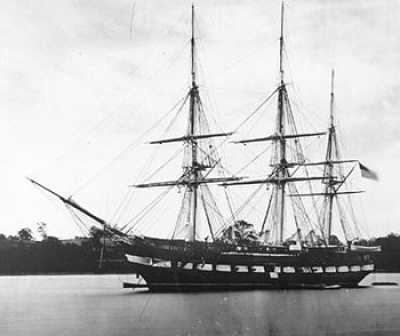
The USS Constellation was a sloop-of-war similar to HMS De Braak.
At the time rumors were spread that the ship had a cargo of plundered Spanish treasure such as gold and silver coins. However the British admiralty denied that the De Braak had any treasure. Somehow fact and fiction became confused over the years and even the history books told story’s of the De Braak’s treasure.
In 1984 Sub-Sal, a commercial salvage company discovered HMS De Braak using side-scan-sonar and claimed legal custody of the wreck. They raised the entire hull of the vessel using cables which almost destroyed it. They then proceeded to dredge the wreck site, discarding anything that didn’t glitter. They even threw away an antique Royal Navy cooking stove, which is one of only two in existence. They also discarded human remains which is against federal and state laws; it was the final straw. The State of Delaware began a court battle against Sub-Sal which resulted in the state being awarded custody of the shipwreck. The hull of the ship was placed in a cofferdom at Lewes to preserve its timbers. No Spanish gold or silver was ever found but over 26,000 items were recovered, with a value of $300,000. Many of the artifacts are now on display at the Zwaanendael Museum in Dover, Delaware.
All images from commons.wikimedia.com.