Shipwrecks and Treasure: The Ines De Soto Wreck
EducationShipwrecks and Treasure: The Ines De Soto Wreck

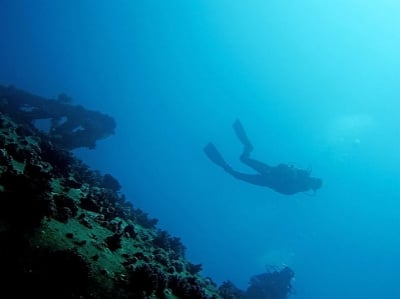
In the late 1980’s fishermen discovered a shipwreck off the northwestern coast of Cuba, near the island of Ines de Soto. After an archeological survey by Carisub, the Cuban state institution for underwater archeology, it was discovered that the wreck was of a 16th century Spanish galleon. The name of the galleon was unknown, so it was named after its place of discovery.
The first objects recovered from the site were household items such as scissors, olive jars, bowls and porcelain. More impotently there were two brass astrolabes (navigational devices) Both were severely eroded, but they were engraved with their year of manufacture, which was 1555. One of the astrolabes was made in Portugal while the other was manufactured in Spain. Its hallmark confirming that it had passed an inspection from the Casa de Contratacion; an institution of the Spanish crown.

Caya Ines de Soto is located off the coast of Pinar del Rio Province.
A meticulous excavation of the wreck site took place between 1992 and 1995. Evidence suggested that the ship’s passengers must have been wealthy. 23,000 silver coins were recovered from wreck, as well gold bars and silver ingots. The silver coins were minted in Mexico and Spain. There was also fine jewelry decorated with emeralds and other precious stones. But the most intriguing revelation was that the serial numbers on the gold bars matched the numbers from a previously discovered wreck from the Spanish treasure fleet of 1554. The 1554 fleet was a convoy of four ships that had left Vera Cruz, Mexico, bound for Cuba, on their return journey to Spain. One of the galleons limped into Havana, while the other three ships were blown of coarse to the Padra Island, near the coast of Texas and destroyed in a hurricane.

Spanish silver "eight real" coins recovered from the wreck of the treasure fleet of 1554.
The Spanish government in Havana sent a rescue mission and they recovered about half of the treasure from the fleet, which was discovered in shallow water. It is believed that the de Soto was one of the rescue ship sent from Havana. If that is the case then the unfortunate passengers of the de Soto would have been shipwrecked twice. Another clue is that the de Soto was heavily armed. The ship had breech loading guns as well as smaller swivel guns. Only a galleon loaded with an extremely valuable cargo would have been so well armed. It is also possible that the de Soto was part of an illicit treasure recovery mission, since the galleon was not recorded in official records; an unusual occurrence considering that Spanish officials were such fastidious record keepers. Objects recovered from the wreck site are kept at Carisub, S.A in Havana.
Images from commons.wikimedia and flickr.com
If you liked this you might also like the following articles.
Shipwrecks and treasure: the story of Nuestra Senora de Atocha.
The treasure cave of Sir Henry Morgan and the Spanish treasure fleet.
The women pirates of the Caribbean, Anne Bonny and Mary Reade