Pirates and Treasure: Edward England, the Compassionate Pirate
EducationPirates and Treasure: Edward England, the Compassionate Pirate

Governor Woodes Rogers and the British Navy arrived at New Providence, Bahamas in July 1718. Rogers had been sent by the British to drive out the pirate rascals’ once and for all. The new anti-pirate policy’s in the Bahamas and Jamaica forced many pirates to leave the Caribbean entirely and seek new lucrative hunting grounds in the Indian Ocean. One of those pirates was Edward England. A pirate who gained a reputation as being kind hearted because of the compassionate way he treated his enemies. Not a useful attribute for a pirate. Despite his early success, his virtue would ultimately become his downfall.
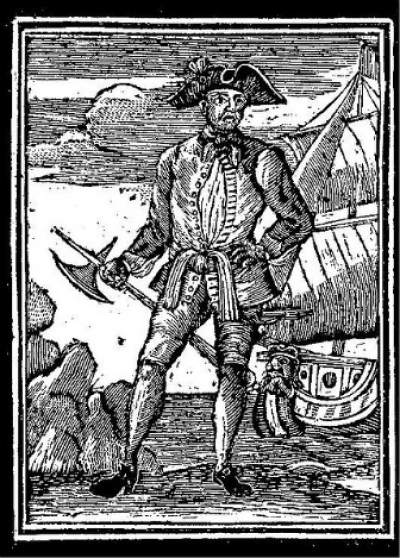
Edward England, from Charles Johnson's A History of Pyrates.
Edward England was born in Ireland as Edward Seegar. He later changed his name to avoid revealing his whereabouts, when he became a pirate. He began his career like many other would-be pirates, as a legitimate seaman working on a merchant ship. In 1717 his ship was intercepted by the notorious pirate Christopher Winter. Winter took possession of the ship and made port at New Providence. By that time Edward England had joined the pirates, lured by the chance of a more prosperous lifestyle. England had years of experience at sea and was a highly skilled seaman. So he became a captain and formed his own crew.
England and his crew stole a sloop and sailed for the West African coast. They sailed the Azores and the Cape Verde islands, capturing several vessels. England and his crew divided into two groups. England led a large vessel called the Pearl and John Taylor, England’s second in command; a captured sloop called Victory. After rounding the Cape of Good Hope, the two vessels anchored at Madagascar, a haven for pirates and a point of rendezvous. England and his crew then took full advantage of the islands native hospitality for several weeks.
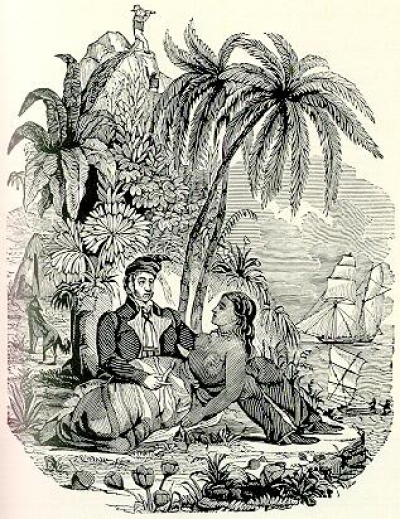
From Madagascar England and Taylor attacked shipping of the East India Company, which carried lucrative cargoes of silk, porcelain, precious metals, cloth and spices. Also Portuguese traders, who were in competition with the Dutch. They captured a 34-gun square-rigger called the Fancy. England took this vessel for his flagship.
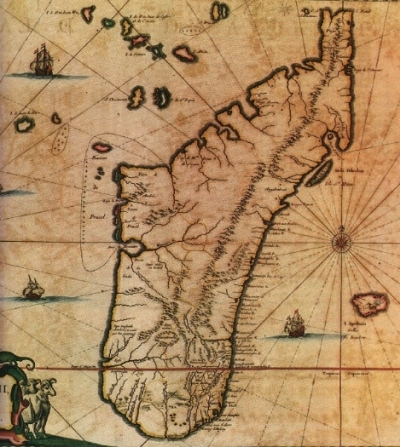
On August 27, 1720, England and Taylor were bringing the Fancy and sloop Victory back to Madagascar, after a recent voyage to Johanna Island, when they spotted three ships in the harbor. The two smaller ships of the Dutch East India Company raised anchor and made their getaway; headed for the open ocean.
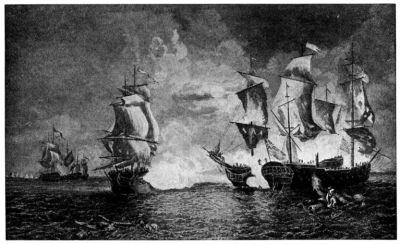
The other was a larger, heavily armed, merchant ship called the Cassandra. It was captained by a tough Scot called James Macrae. In order to allow the two smaller vessels to make their escape, Macrea ordered the Cassandra to engage the Fancy. The two ships bombarded each other for hours with broadside shot. Meanwhile John Taylor and the Victory chased the two smaller sloops.
Badly damaged the Cassandra turned and headed for the beach to avoid being sunk in open water. Macrea and his crew abandoned ship and headed inland. The pirates had taken heavier casualties losing 90 of their crew; captain Macrea had lost 37 men during the battle. After boarding the Cassandra, England discovered a cargo valued at 75,000 pounds, a fortune in 1720. Its not surprising that Macrea had defended his ship so gallantly.
Macrea and his crew decided to come out of hiding after they ran out of supply’s. They were captured by England and Taylor who argued over Macrea and his crews fate. Taylor was seeking revenge for his lost crew mates and wanted them killed. Edward England argued the case for their freedom and eventually got his way. Taylor and most of the other pirates formed a revolt against England, and Taylor took command. England and a few of his supporters were taken to a remote island and marooned. Edward England eventually made it back to Madagascar. But without ship or crew and penniless, he ended his days as a beggar and died thereafter.
Images from flickr.com
If you liked this you might also like the following articles.
Anne Bony and Mary Reade: the women pirates of the Caribbean.
Port Royal: a seventeenth century haven for pirates.
The treasure caves of Sir Henry Morgan and the Spanish treasure fleet routes.