The 32 Best Herbs for a Safe, Natural Appetite Suppressant
Dietary SupplementsThe 32 Best Herbs for a Safe, Natural Appetite Suppressant

Diets, weight loss products, processed supplements, and expensive gym memberships add up. And they aren’t always foolproof (especially the expensive gym membership). So maybe there's a better, less expensive, and more natural way to lose weight and live a healthy lifestyle?
In this article we’re going to divulge the 32 herbs that experts have identified as natural appetite suppressants. They’ve been proven to help you eat less food by blocking the absorption of certain nutrients, increasing the number of calories you burn, or reducing your appetite and food cravings.
There are many herbs and supplements you can include in your diet that will also help in decreasing your appetite. You can consume these herbs and supplements along with your daily intake of food. Herbs to decrease appetite can be placed in the following 4 categories:
Appetite Suppressants: reduce hunger by expanding in the stomach, altering mood, or satisfying taste.
Diuretics: cause the body to excrete water through excess urine.
Cathartics: cause evacuation of the bowels, reduce calorie consumption by impeding full digestion.
Stimulants: encourage the body to burn more calories.
32 Herbs that Work as Natural Appetite Suppressants
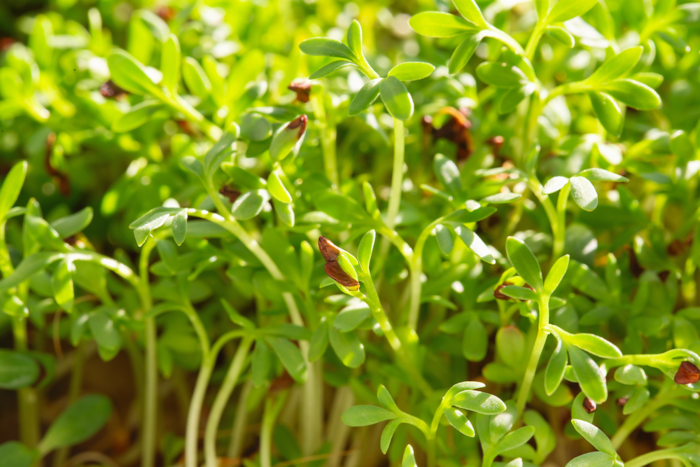
Alfalfa
This herb aids digestion and acts as a diuretic. The active components of alfalfa include its saponin content. Saponin helps make fats more soluble, and that plays a role in maintaining the health of blood vessels. Alfalfa also prevents cholesterol absorption in the gut.
You can find alfalfa in the form of sprouts at your local grocery store or farmers market and enjoy five to 10 grams atop your avocado toast in the morning.
Aloe Vera
Taking aloe vera orally creates a strong cathartic response, which produces bowel movements. This acts as an internal cleanser. The jelly yellow latex—which is found between the leaf skin and the gel—is most commonly used for constipation. Though they're typically bitter and tough, the sliced-off leaves are also sometimes eaten. This gel, or anthraquinones, from the plant is a strong laxative and safe to eat. Oh, and it adds a refreshing taste to different dishes and drinks.
You can easily make aloe vera juice by adding aloe gel to water and drinking it.
Bee Pollen
Bee pollen, not to be confused with honey, is one of nature’s most nourishing foods, coming in with 40% protein. Bee pollen is richer in proteins than any animal source [1]. It contains more amino acids than beef, eggs, or cheese of equal weight. Bee pollen is particularly concentrated in all elements necessary for life. It contains phenylalanine, which is a natural appetite suppressant.
Bee pollen is sold as natural granules you can measure out and take by the spoonful. You can also mix it into other foods like granola or yogurt or make smoothies with it. It generally has a bitter taste, although people who take it regularly seem to get used to it. Take between a quarter teaspoon and two teaspoons of bee pollen per day.
Bladderwrack Kelp
Bladderwrack, a form of seaweed, is used medicinally for thyroid concerns, arthritis and joint pain, obesity, iodine deficiency, constipation and a number of other conditions [2]. One of the ways it works is by strengthening the thyroid, which can increase the metabolism. The other way it works is by giving your body easily absorbed nutrients which feed the body on a cellular level which reduces cravings. It is a bulk laxative.
This is a type of seaweed and it can be bought in pills, tinctures, and dried. It can be used as a salt substitute, or even eaten as a snack.
Burdock
Burdock acts as a diuretic, as this root increases your metabolism. Active ingredients include inulin, polyphenolic acids, and non-hydroxy acids. It is an excellent herbal blood purifier that detoxifies the blood and lymphatic system. It is high in iron, and can help build blood during times of low hemoglobin. Burdock is also considered a mild laxative. Burdock aids in the elimination of uric acid. Burdock root can also help to reduce cravings and hunger and thus assist in weight loss.
Bring water to a boil, pour in about an ounce of dried burdock root, gently simmer for ten to twenty minutes, and allow to cool. Drink between meals.
Cardamom
This thermogenic herb is mainly used as a digestive aid due to its soothing and antispasmodic properties. This spice can reduce conditions like water retention. It has various compounds that help fight against bad bacteria, further balancing the gut flora to return to normal functioning and enable a healthy digestion [3].
Add cardamom powder or crushed pods from the plant to your tea, milk or water for maximum benefits.
Cascara Sagrada
This is a shrub, wherein the dried bark is mainly used for medicines. Cascara sagrada used to be approved by the FDA for an over-the-counter constipation drug. However, this was removed as a drug by the FDA in 2002. Don’t worry, you can still get cascara sagrada as a dietary supplement. This is primarily taken in pill form as a laxative for constipation.
Cayenne
Cayenne improves circulation and digestion. Cayenne also has thermogenic effects, which increases your body temperature. In turn, this increases your metabolism and causes consumers to lose more weight [4].
You can find cayenne in the spices section of your local grocery store, and add it to your meals (think homemade sweet potato fries or air fried Brussels sprouts).
Chickweed
Chickweed, best when combined with burdock root, breaks down the fat and helps balance oils and fats in the body.
You can eat it raw in salads, steam it and eat it like a vegetable, or put it in tea as an effective way to curb cravings, assist digestion and overall, help you lose weight.
Cinnamon
Cinnamon creates a thermogenic burn. It reduces cholesterol levels, and its effect on blood sugar makes it a huge help in fighting obesity, insulin resistance and metabolic syndrome.
Cinnamon can be used in its powdered or stick form, adding it to drinks and food, or as a pill.
Citrus Aurantium
This herb, more commonly known as bitter orange, is commonly used in Chinese medicine to improve stomach and gastrointestinal function. Citrus aurantium increases thermogenesis in the body. This herb contains a combination of adrenergic amines. Adrenergic agonists are stimulants that release tissue stores of epinephrine, causing subsequent alpha- and/or beta-adrenergic stimulation. These drugs have provided benefits to patients with obesity.
You can eat the bitter orange as-is, but it’s true to its name, being very bitter in taste. Essential oils and powdered and liquid supplement forms are available as well.
Coffee
Coffee does more than get you out of bed in the morning. When consumed, it increases calorie burn and fat breakdown in your body.
Ingesting this caffeine between half an hour and four hours before eating may affect stomach emptying, appetite hormones and feelings of hunger. Coffee also boosts your metabolism by up to 11% and increases fat burning by up to 29%.
Doses of 200 mg of caffeine, or about two cups of regular coffee, are usually used for weight loss.
Dandelion Root
Dandelion root aids fat metabolism by targeting the liver. By acting to remove poisons from the body, the dandelion root is a stimulant, as well as a tonic in its own right. The dandelion root inhibits pancreatic lipase, an enzyme released during digestion to break down fat.
Consume dandelion root as a tea by washing the leaves and letting it steep in hot water for about 20 minutes. Chop finely and put one to two teaspoons in hot water for 10 minutes before drinking.
Evening Primrose
Evening primrose has yellow flowers that open at sunset and close during the day. The oil from the seeds of evening primrose is most often used to make medicine. Evening primrose is best known for reducing cholesterol levels and helping people who are unable to process fats correctly. In foods, the oil from evening primrose is used as a source of essential fatty acids. Fatty acids help decrease inflammation related to conditions such as arthritis and eczema.
Take between 560 to 6,000 mg of evening primrose oil daily for three to twelve months to see results [5].
Fennel
Fennel is a diuretic that reduces hunger and improves energy. Fennel is a root vegetable in the same family as carrots and celery. It’s a relatively large plant, with branches that can grow up to seven feet above the ground. Fennel is an aromatic vegetable with a sweet taste similar to licorice. Fennel has been shown to help with digestion by reducing inflammation in the bowels and decreasing bacteria that cause gassiness.
Fennel seed makes for a useful tea for weight loss. Use one teaspoon of fennel seed (and add two teaspoons of nettle leaves) to three cups of water. Simmer for five minutes and allow to stand for 15 minutes before straining. Drink one cup three times per day.
Fenugreek
Fenugreek is an herb from the legume family. The seeds are the most commonly used part of the plant. The seeds are 45% fiber. Thanks to its high fiber content, fenugreek has been shown to provide health benefits, such as blood sugar regulation, cholesterol reduction, and appetite control. Fenugreek works by slowing stomach emptying and delaying carb and fat absorption. This translates into decreased appetite and better blood sugar control [6].
Consume the seeds in a salad, or grind them into a powder and sprinkle it onto meat for flavor. Start with two grams per day.
Flaxseed
Flaxseed is a laxative that helps curb hunger. Loaded with vitamins and phytonutrients, it’s an excellent source of protein and fiber. Besides stabilizing your blood sugar, flax expands up to five times in size when ingested.
Taking flax half an hour before meals will help you eat less. Take about one or two tablespoons of ground flaxseed per day.
Garcinia Cantbogia
This herb aids fat metabolism and reduces hunger. Due to its high contents of hydroxycirate. Garcinia inhibits the accumulation of lipid droplets in fat cells, thereby reducing lipid levels and decreasing lipid accumulation in the liver. The hydroxycitrate acid (HCA) found in garcinia also improves exercise endurance by increasing lipid oxidation and decreasing carbohydrate utilization. A dosage of an extract containing 50% hydroxycitric acid, 1000 mg three times daily has been used for weight loss.
Green Tea
Green tea contains two compounds that contribute to its weight loss properties — caffeine and catechins. The catechins have been shown to boost metabolism and reduce fat. The combination of epigallocatechin gallate and caffeine in green tea extract work together to make the body more effective at burning calories, which can lead to weight loss
You can find green tea in any grocery store. Green tea has been found to be safe in doses of up to 800 mg of EGCG. Higher doses of 1,200 mg of EGCG have been linked to nausea.
Griffonia Simplicifolia
Griffonia simplicifolia is a plant known for being one of the best natural sources of 5-hydroxytryptophan (5-HTP). 5-HTP is a compound that gets converted into serotonin in the brain. An increase in serotonin levels has been shown to influence the brain by suppressing appetite. Thus, 5-HTP aids weight loss by helping decrease carb intake and hunger levels.
It’s best to take between 50 and 100 mg of griffonia simplicifolia in supplement or capsule form daily.
Gymnema Sylvestre
This herb is best known for its anti-diabetic properties. It decreases sugar cravings by acting on the pancreas enabling it to maintain a steady blood sugar, which decreases cravings and hypoglycemia. Similarly, gymnemic acids can bind to sugar receptors in the intestine, preventing the absorption of sugar in the blood. This could help maintain low blood sugar levels and avoid carb storage as fat.
Boil the gymnema sylvestre leaves for five minutes and let steep for up to 15 minutes. Consume about 100 mg daily.
Hawthorn
Hawthorn reduces blood fat and improves circulation. These berries help with stagnant, undigested food accumulated in the stomach. They also stimulate the adrenal glands and improve thyroid function.
The berries are edible, but the seeds can be poisonous if you ingest too much.
Kola Nut
Kola nuts are a stimulant that decreases appetite and aids in your metabolism. This fruit is high in caffeine, which increases energy and reduces hunger.
You probably won’t find this plant in the United States, but you can get your hands on kola nut extract to use in drinks.
Licorice Root
Licorice’s intense flavor comes from the root of a Mediterranean plant, Glycyrrhiza glabra, which contains a powerful chemical known as glycyrrhizic acid. It sacrifices craving for sweets and prevents habitual snacking without adding calories.
You should eat one to two sticks a day.
Nettles
Nettle leaves are high in nutrition (rich in vitamins C and E and minerals such as calcium, magnesium, iron, silica, and potassium, which are important for healing broken bones, muscle strains, and tendon injuries), and helps clear toxins.
Nettle tea is used to curb appetite and cravings and assist in weight loss. Use one teaspoon of fennel seed, and add two teaspoons of nettle leaves to three cups of water. Simmer for five minutes and allow to stand for 15 minutes before straining. Drink one cup three times per day.
Parsley
Parsley is a diuretic and nutritional aid. It is one of the highest sources of life-giving chlorophyll which acts like iron to oxidize the blood. Ultimately, this helps curb your appetite and reduce hunger cravings.
Look for healthy, dark green leaves to add in juices, or add as a garnish to meals.
Psyllium
Psyllium is a compound derived from the seeds of the blond plantain. It’s a type of soluble fiber, which means that it absorbs water and forms a gel-like consistency as it passes through your digestive tract [7].
The granules of these seeds consumed with water before a meal helps control the appetite. This herb causes an instant reduction of appetite by making the stomach feel full. The full feeling leads to less caloric and fat consumption.
Queen’s Delight
Queen’s delight is a plant, and its root is used as medicine. When consumed, this plant treats constipation. Queen’s flower has been shown to be one of the most effective plants used in alternative weight control and diabetes.
Red Pepper
When ground into a spice, scientists have found that the combination of hit mustard and red pepper raise metabolic rates by up to 25%. The hot spice also stimulates thirst, so you drink more liquids that also helps in gaining less weight.
Add a teaspoon of red pepper and mustard to your meal for a full effect.
Seaweed
Seaweed is a good natural source of trace minerals and is a natural thyroid stimulant.
It is widely available in capsule or tablet forms at many health food stores.
Senna
Senna acts as an all-natural laxative. When you consume senna, it triggers the muscular movements in your intestines, called peristalsis, that help move waste through the digestive system to send it through the bowel and, eventually, out of the body.
Senna is best consumed in tea form.
Yerba Mate
Yerba mate is an energy boosting alternative to tea or coffee. And it aids in weight loss. The mate increases glucagon-like peptide 1 and leptin levels. GLP-1 is a compound generated in the gut that regulates appetite, while leptin is the hormone in charge of signaling fullness. Increasing their levels leads to less hunger.
Drink one to one and a half grams of mate in water daily.
Buying Guide
Want your own holistic garden filled with these herbs and plants? Get your hands on a many of these listed from Hirt’s Garden.
Or maybe you’d want to get your very own parsley plant from 1800Flowers.com.
There’s also True Leaf Market, where you can get your pick of whatever plant or herb you want to grow that could be beneficial to your health.
Biblio sells the Guava as Medicine book, which could be helpful if you’re looking for a safe and cheap form of food therapy.
If you love herbs, and want to use any of these as a remedy or just to add to your dinner, check out theHarvest Elite Indoor Garden System from AeroGarden.