Teaching Children How to Be Gentle with Pets
EducationTeaching Children How to Be Gentle with Pets

A six-year-old child is mauled by the family dog. A hamster is killed because its young owner squeezed it too tight. A fish dies because a child forgot to feed it. What do all these things have in common? The common thread is that all these things were 100% preventable.
Young children should never be left alone in the company of a dog, even the family pet. Children should not be considered the owner of any pet, and should not be given sole responsibility to care for any pet. On the whole keeping pets when you have kids can be risky to both, you must be in charge of their mutual safety.
This is only the tip of the iceberg in problems that can occur between children and pets. Most parents assume it will not happen to them or their child, so do not look fully into the potential problems and prevention of them.
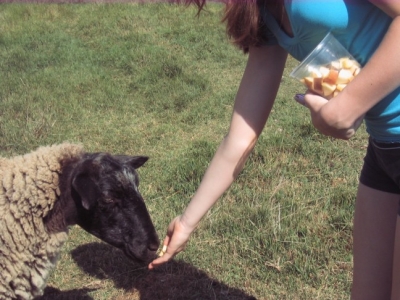
(Photo by author, a more unusual pet, but still one that might not be safe for younger children.)
Let us be honest, children cannot pay vet bills, buy food, or pay for other ongoing expenses. Most stores, shelters, and sellers, never consider the child as the purchaser or owner. Ultimately any decision to get a pet was made by the adult. Therefore the adult is the owner and should be the one to oversee any ongoing care. When the title of "owner" is given to a young child they think it gives them free rein to treat it anyway they like, and seldom have learned compassion first.
Selecting the right breed for a family is very important.
The number one rule pet ownership when it comes to pets and children is that a parent must expect to have to remind a child about their duties to the pet. The number two rule is that if at anytime the child is bored with the pet the parent must be willing to assume all duties of caring for the pet, since they were the ones who puchased it. When the parent maintains the title of owner and the child is allowed to "help", they are far more likely to be respectful of the animal.
Children must be taught how to hold pets properly. Sadly many adults think that holding pets by the scruff of their neck is okay because this is how the parent animal would carry its young. In truth the parent animal does not have an option and wouldn't carry an older animal this way. When people do it this can really hurt the animal and they can be easily dropped.
Children also should be taught not to squeeze animals either; no animal should be picked up around the middle only. An easy rule is “support its bottom”. If a child cannot carry a pet properly, they shouldn't be carrying a pet at all. Wait until they are older. Many pets, including dogs, are injured or killed when dropped by small children.
Kids must be taught that sometimes pets want to be left alone. Dogs will often go into their crates when they want time to themselves. Cats who hide do not want kids to pull them out. If a pet is trying to get away from a child or is scratching, this is a cue to the parents to tell the child to back off. If a child pulls a dog's ears, the dog is not just being good, the child is being bad.
Proper socialization is important for the pet too! So many times, particularly with small dogs, people forget to socialize them correctly. Obedience lessons are a good step in the socialization process; additionally, expose the dog to children through trips to the park and so on. Particular attention should be given so a dog does not think it is the boss and it should learn basic commands like “leave it” and "no". Dogs are not born mean, they are taught to be mean either intentionally or by owners who do not know better.
Cats can be introduced to children by having the cat in the room eating canned food while the children are playing but otherwise leaving the cat alone.
Screaming is a behavior that upsets most pets and can cause real problems. Dogs will often react negatively to a child screaming. Some children have been raised to think that screaming is “cute” and do it for attention, but around animals it is not safe. Their shrill voices excite pets or confuse them, either way it can result in the child being attacked.
Children should never be allowed to tease animals, but often find it fun. Teasing pets with toys, or food, is asking for disaster.
Ultimately, most problems can be averted with proper parental supervision. Neither the pet, nor the child, should be looked at as safe with the other. Hopefully if people follow these suggestions and points we will not hear of so many tragic stories involving children and pets.
Most animals are not dangerous without a reason.