Cat Scratch Disease, What Are the Risks?
EducationCat Scratch Disease, What Are the Risks?

In 1977 Ted Nuggent released a song and album called "Cat Scratch Fever" and people have often wondered if this is a real disease or something he made up. You may be interested to know that there really is a health condition called Cat Scratch Fever and it affects mostly children.
Cat Scratch Fever is also known as Cat Scratch Disease, it is a disease that is spread by a bacteria, known as Bartonella.
Although Cat Scratch Disease was identified in 1889, the link to the cat was not made until 1950. Since then it has also been learned that there may be a connection with the cat flea.
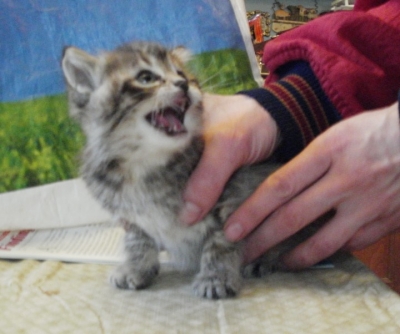
Kittens are particularly noted for carrying the Bartonella bacteria in their blood and additionally are more likely to spread the disease simply because kittens tend to be more claw aggressive than adult cats. Children are often more affected than adults and it is worth noting that cat bites can also cause Cat Scratch Disease.
Symptoms of Cat Scratch Fever
The bite may be red and inflamed with small lumps around the area where the skin was broken, otherwise most symptoms take 1 to 2 weeks before developing. and may take as long as a month. Not everyone will show all symptoms.
- Fever
- Headache
- Back Pain
- Chills
- Fatigue
- Sore and Swollen Lymph Nodes
- Swollen Spleen (rare)
You should note that while the infected human will show signs of poor health, the cat who infected them will be fine and will show no symptoms. They may carry the bacteria but are not affected by it.
Treatment for Cat Scratch Fever
Typically the disease comes and goes on its own but it can be treated with antibiotics. Generally Cat Scratch Fever is not a problem except for people with immune disorders or HIV.
How to Prevent Cat Scratch Fever
Since Cat Scratch Fever, Cat Scratch Disease, is more of a problem for children, and more often spread by kittens, it is best to ensure children do not handle kittens in a way that causes the kitten to scratch. Kittens are more playful in nature, and can be more claw aggressive, if not handled correctly they will scratch, or bite. Children are usually likely to be rough with kittens or to play with them, in such a way that they are likely to be scratched.
Since fleas are suspected in transmitting the problem to the cats in the first place keeping cats, and kittens, free of fleas is also important.
People should not rub their eyes when handling cats, or kittens, as this could transfer saliva to the person's eye and could cause problems if the saliva contains this (or any) bacteria.
Note: Some people may think that declawing a kitten is a good way to prevent this illness, but the problems associated with declawing a kitten (including making it more prone to biting) may be worse than the small risk of Cat Scratch Disease. Additionally since kittens soon outgrow this behavior it is often a wasted expense, and a better alternative would be for a person to get a cat, rather than a kitten, if they have young children.