Vitamin C Can Help Restore Lost Health in a Number of Ways
EducationVitamin C Can Help Restore Lost Health in a Number of Ways

About vitamin C
Most people need more vitamin C than they are getting in their diet says a medical doctor of the University of Alabama in Birmingham. Furthermore, it is possible to have vitamin C deficiency disease in one area of the body and yet have enough vitamin C to maintain health in another part added the doctor. Quite simply, you can be winning in one area and losing the battle in another.
There are things that vitamin C won't do. It won't make you younger, or thinner, for example. But it can help restore lost health in a number of ways. Some of them may surprise you.
Benefit of vitamin C
- Glaucoma treatment. Glaucoma is the leading cause of blindness next to cataracts, it is the hardening of the eyeball. The healthy eyes has an optimal or favorable pressure that keeps the eyeball from collapsing. This pressure varies from person to person even in the same eye from day to day says a medical doctor. The object is to decrease that pressure and that's where vitamin C comes in. Vitamin C works by creating an increased osmotic pressure in the blood, which in turn pulls fluid out of the eyeball. In one study done in Rome, doctors observed a dramatic drop in eye pressure in every patient within two hours after a single dose of vitamin C was used.
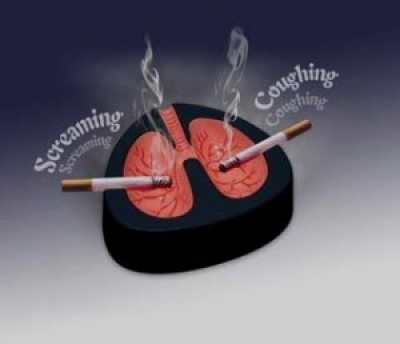
- Lungs diseases. Most asthmatics have come to expect the wheezing or bronchial constriction brought on by exercise. Typically, sufferers experience chest tightness and breathing difficulties within three to five minutes after exercising and it will get progressively worse over the next thirty minutes. With vitamin C, there is hope for improving that condition according to two doctors from New Haven, Connecticut. In their experiment they gave 12 asthmatics either placebo and 500 milligrams of vitamin C six hours or less before exercise testing. The researchers found that the group treated with vitamin C had significantly less chest tightness than the placebo group.
- High Cholesterol Levels. High levels of these substances in the blood mean increased risk of atherosclerosis, stroke, or heart attack. Over the past thirty years, several teams of investigators in various parts of the world have pointed out that vitamin C lowers cholesterol levels in humans says a researcher in Bratislava, Czechoslovakia. It is believed that vitamin C promotes the transformation of cholesterol to bile acids, which can then be excreted. In animals, if vitamin C deficiency persists for a considerable length of time, cholesterol also accumulates on the vessels walls. During the winter month in other countries when fresh fruits and vegetables are less plentiful in cold countries, the people experience a marginal vitamin C deficiency, cholesterol transformation of bile acids is slowed down, resulting in an accumulation of cholesterol in the blood and lever.
- Heat Tolerance. This means symptoms like weakness, headaches and nausea when exposed to temperature about 85 degrees Fahrenheit. These symptoms may occur in people who have previously suffered heat stroke says a specialist in occupational medicine in Aiken, South Carolina. He recalls a tennis professional who had a heat exhaustion and found he could not play or teach tennis between 10 a.m. and 4 p.m. during summer months without becoming sick. He took a slow-release 500 milligram capsule of vitamin C. He was able to function as long as he took the vitamin everyday.
Images
Glaucoma eye
Lung pictures
Headache
Vitamin C
Source:
Mazer, Eileen, "Ten Ways to Heal With Vitamin C (Part 1)." Woman Today Magazine 8 June 94