The Science (and Art) of Bathing: Additives to Heal the Body and Soothe the Spirit
EducationThe Science (and Art) of Bathing: Additives to Heal the Body and Soothe the Spirit

In today’s fast-paced world, fewer and fewer people are opting to bathe when a shower is faster, said to use less water, and the idea of soaking in one’s own dirt seems foolish. There are, however, substantial health benefits to occasionally opting for a soothing bath.
For one, daily hot showers can, in fact, make the skin too clean, stripping it of the healthy bacteria and oils nature provides to ward-off foreign bacterial invasion and protect the skin from a variety of skin conditions.
For another, opting for a bath provides opportunities to add herbs, oils, and other healthful ingredients that can relieve aches and pains, ward-off viruses, and improve one’s state of mind. In short, bathing provides a number of options a shower simply can’t. Here are just a few of the additives you probably have in your cupboard right now and what they can do for you:
Apple cider vinegar: For sore muscles or itchy skin, add one cup of apple cider vinegar to a nice, hot bath. This is also excellent for over-exposure to the sun (though I’d recommend tepid water).
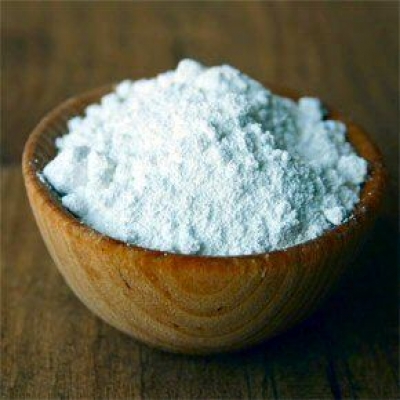
Baking soda: Like vinegar, baking soda will neutralize skin irritation (from such irritants as hives, poison ivy, insect bites, and even chicken pox), but will also ease muscle tension. Just add ½ small box to warm water for skin problems, or hot water for muscle ache. Also, a whole box in a foot bath can work miracles for sore feet.
Lemon: In hot weather, lemon baths are especially refreshing--and can be down-right addictive. Just add six quartered lemons--peals and all--or ¾ cup of bottled juice to a warm bath. (You may be tempted to use cool water, but warm cuts body oil better.) Not only does this cool the skin, it tightens pores and makes you all tingly!
Ginger: Adding one tablespoon of powdered ginger to a bath will ease muscles, eliminate toxins from the body, and will help sweat out colds, flu, or congestion from hay fever. And when it’s cold out, adding ginger to bath water will raise the temperature of your skin and make you feel all toasty.
Milk: One of the best possible things for dry skin, you can add one quart of cow’s milk, one can of condensed, or one box of powdered to your bath. Make sure it’s dissolved well into the water or you may come out a bit sticky (which can be a good thing in the right circumstances!) Also, many powdered brands make froth-like bubbles in the tub--which can add to the effect. (Milk is actually much better for you externally than internally, any way.)

Oatmeal: One of my favorites, by adding two cups of oatmeal to your bath (placed in a large tea bell or old nylon), you can get one of the most cleansing baths of your life, cure the worst skin irritations imaginable, and if you rub the oatmeal directly on your skin, is one of the best emollients available--and waaaaay cheaper than that oatmeal soap that costs $5 a bar in a specialty boutique.
Nut oil (peanut, sesame, almond, etc): Better than most any commercial skin softeners (at any price), nut oils penetrate skin better and have no nasty toxic by-products like drugstore brands. In this case, soak in a hot tub for at least ten minutes before adding one or two tablespoons of oil. (This one will make you smell and taste especially good as a bonus!)
Now a few just for fun!
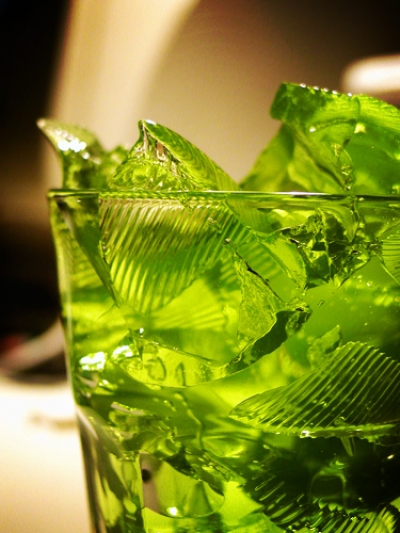
Jello: Adding ½ box of the unsweetened kind can not only make your skin smell delicious, it can work miracles on dry skin. And since it comes in various flavors (and scents), it is known to affect mood.
Research shows that many people find that their mood is lifted when they smell particular scents like watermelon or cherries, for instance. (There’s a whole endorphin-dopamine reaction we really needn’t go into here.) Since it’s highly individual, if you don’t already know which scents serve to elevate your mood, you may need to experiment--but that can be a whole lot of fun. And on a tactile level, Jello feels down-right wonderful on the skin!
Green tea: While green tea has drawn a lot of positive attention in the past few years regarding its many health benefits when consumed, most don’t consider what it can do externally. Adding 8 to 10 tea bags to a hot or even cool bath acts as an astringent for oily skin, draws toxins out of the pores, has a neutralizing affect on sunburn, and feels amazingly soothing. (And I’d wager it does a number of other beneficial things we don’t even realize!)
Cinnamon: Though sticks are more convenient, powder will do just fine. Put a ¼ cup of cinnamon in a piece of cheesecloth and drop it into a warm or hot bath. Long used for spiritual purification in many cultural traditions, cinnamon will remove toxins from the body (especially valuable after an illness), elevate the mood, raise the body temperature in the winter, cure various rashes, and is a natural disinfectant, stimulant, astringent, and has even been know to counter-act edema.
Remember: As with any herbal remedy, various people react in various ways to natural curatives. Should you find yourself reacting negatively to any of these baths, get out, shower off, and discontinue immediately.
Just as some people are allergic to common bath soaps, some will find their skin having a negative reaction to natural substances. But, that doesn’t mean that you will ill-react to all additives--you can always try one of the many others! And if the idea of soaking in water really bothers you, there's an easy solution: shower before-hand!
References:
http://www.webmd.com/skin-problems-and-treatments/news/20091123/bacteria-key-to-healthy-skin
http://lifehackery.com/2008/07/22/home-4/
http://www.smellandtaste.org/
Jude's Herbal Home Remedies, Jude Williams
A Modern Herbal, M. Grieve
HerbsforHealth.com
Naturalhealth.com/herbalsbaths
Images via Wikipedia.org
Related Articles:
> How to Prepare Herbs for Topical Use
> Health Benefits of Green Tea
> Choosing Natural Curatives Over Artificial
> What Does Hypoallergenic Mean?
Visit JAMES R. COFFEY WRITING SERVICES & RESOURCE CENTER for more information.