The "Great Skin" Diet
EducationThe "Great Skin" Diet

Though you’d never guess it by the slew of unhealthy skin products promoted by the cosmetic industry, the secret to healthy skin is no longer a mystery.
Science has shown that while your complexion is largely a matter of genetics, (the overall tendency toward oily or dry and ability to tolerate airborne irritants), the tone and texture of your skin is a direct reflection of your diet.
Simply, what you put inside your body is eventually reflected on the outside. And while no diet could ever miraculously change the basic qualities of your complexion, foods abundant in what science terms “skin targeted” foods can certainly help you achieve your optimal appearance.
The first thing to know is that skin cells are at their peak level of performance and appearance when property hydrated.
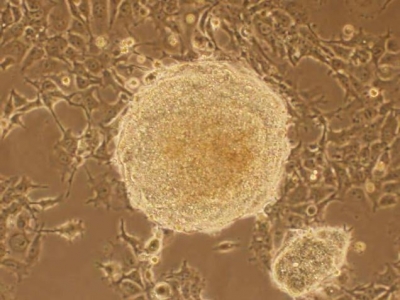
Without cells being sufficiently saturated, they will wilt and shrink--and it will show.
This means that no matter what foods we consume, they cannot be properly absorbed and utilized without sufficient water intake. Most doctors agree that no fewer than six glasses a day are essential to good skin health, and despite what many sources say, this does not mean coffee, soda, tea, or alcohol: this is in addition to these beverages.
Realize that not only are these liquids not substitutes for plain water, they do not hydrate the body and can actually cause dehydration. So if you do partake of these dehydrating beverages, it’s even more essential that you drink the necessary amount of water just to break even. Many experts suggest drinking water simultaneously with your other drinks so that you don’t feel cheated and don’t postpone water intake until later--which in most cases, never comes.

Of all the vitamins, A and C are recognized as most directly affecting the inner quality and outer appearance of the skin.
Vitamin A keeps skin supple and moist, while C is a major component of maintaining the connective tissue holding cells together, and prevents capillaries beneath the skin from breaking (which results in that red, blotchy look). But while some vitamins can be effectively introduced into the body in supplement form to treat certain conditions, this is not the case with A and C as regards the skin.
Vitamin A is typically prepared in fish oil, milk, butter, or some other animal fat byproduct which can actually dry the skin and result in toxic buildup, and vitamin C found naturally in fruits and vegetables like papaya, raspberries, asparagus, artichokes, tomatoes, and carrots are 75% to 85% water, which enables them to be absorbed more quickly and efficiently than supplements can.
.jpg)
One of the most important diet-skin discoveries science has made in recent years is the fiber-complexion link.
Without a sufficient amount of fiber in our diets, the toxicity that builds up in our digestive system due to constipation eventually manifests in our skin.
Additionally, constipation has a direct link to stress, which also affects the appearance of our skin, as well as promotes the constipation/stress cycle. Diets rich in natural sources of vitamins A and C--whole fruits and vegetables--are automatically rich in fiber.
And while fruit and vegetable juices are certainly beneficial to the body, they do not have the fiber content of natural, whole sources, and do not prevent the constipation/stress cycle. And as most nutritionists can attest, fruits and vegetables are at their most fibrous when in season, therefore it’s always a good idea to eat ample amounts when they are prime in your area.
In addition to a daily diet that is rich in skin-conditioning fruits and vegetables, many experts suggest that if you’re looking to make an effective improvement in the appearance of your skin that you consider a one-day mini-fast to jump start the process and establish a skin-smart dietary pattern of eating.
One such mini-fast is comprised of six mini meals totaling about 400 calories which alternates between liquid and solid foods, and focuses on skin-smart fruits and vegetables that are high in water, vitamins A and C, and fiber:
Morning Day-Starter
Whip in a blender the following:
4 oz. cold, unsweetened grapefruit juice; one package of dry, skim milk powder; ¼ mango or peach; 4 oz. cold water.
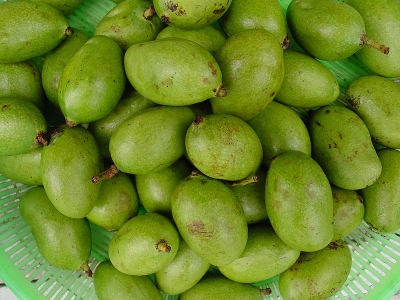
Mid-Morning Boost
Toss ½ sliced papaya or pear with ½ cup of berries (whichever is in season, but frozen will do).
Early Afternoon Repast
Whip in a blender the following:
4 oz. cold tomato juice
2 oz. cold water
½ cup grated raw vegetables (pealed cucumbers or zucchini, or green peppers)
Pinch of oregano or dill (your preference)
dash of lemon or lime juice.
Mid-Afternoon Snack
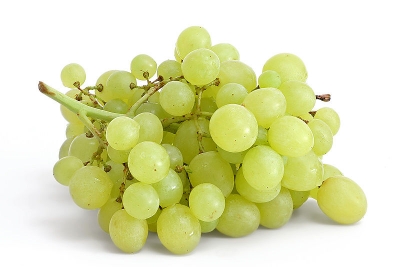
Toss ¼ sliced cantaloupe or two sliced fresh plums with six grapes or five cherries.
Evening Meal
One cup assorted steamed vegetables: broccoli, sliced carrots, spinach, bean sprouts. Then dress with 1 oz. tofu blended with a little wine or herbed vinegar until creamy.
Bedtime Treat
Prepare a cool fruit spritzer: Combine 4 oz. orange juice and 4 oz. cold sparkling water; garnish with two thin slices of kiwi.
, wiki.jpg)
(Diet suggestion by New York-based nutritionist Meredith L. Hoblock.)
References:
Diet suggestion by New York-based nutritionist Meredith L. Hoblock
Healthy Skin Tips: Best Vegetables for Skin
http://www.healthcastle.com/healthy_skin_diet.shtml
images:
skin cell: theHinducom
wikipedia.org.
thumb image via my-female.com
Related Articles:
> What Does "Hypoallegenic" Really Mean?
> Understanding Kid's Allergies
> How Diet Affects Your Libido
> How to Make Any Diet More Affective
> What You Need to Know About Antioxidants
> Organic Vs Conventionally-grown Fruits and Vegetables
> Is There a Right And Wrong Wat to Eat Fruit?
Visit JAMES R. COFFEY WRITING SERVICES & RESOURCE CENTER for more information