Save Money On Vegetable Gardens By Recycling Your Seeds
EducationSave Money On Vegetable Gardens By Recycling Your Seeds

When starting a vegetable garden, even a small one, sometimes the costs of starting one can actually run away away on you considering that you not only have to purchase the seeds or plants but also compost, manure, fertilizer, canes, wires, twine and so on and if you not careful it somewhat defeats the purpose as it would than become cheaper to buy from a farmers market or grocery store. Also with a limited amount of funds put away for your garden it then also prohibits as to what you can grow and your wish list selection will be much smaller then you would have liked so a very good way to save money is by saving seeds.
If your looking at saving this year and your not too worried about the variety of the vegetables, such as Italian tomatoes and you simply want to grow tomatoes, I'm quite sure that like most people you buy fresh produce, take for example tomatoes or cucumbers for salad. Let me tell you it is a lot cheaper to cut up a half of cucumber you just bought and de-seed it then it is to buy a packet of cucumber seeds! All you have to do is as stated de-seed them, set them on paper and let them dry out.

This method also applies to peppers such as red peppers and green peppers, squash, pumpkins and so on, anything that has a seed inside but make sure the vegetable itself is ripe and do not refrigerate the vegetable until you have taken the seeds required.
For potatoes let a few of them set for a while and turn to sprouts, in this case once they have sprouted cut some of the peel off with the sprouts attached and plant them! This also applies to fruit and berries such as grapes and strawberries, however; when concerning strawberries, they are quite tedious to save because their seeds are so small.
You can also save fresh beans such as runner beans this way but like all seeds you will have to dry them out. Believe this or not but after using up most of the onion greens take the bulb at the bottom and re-plant it, it will grow new fresh onion greens quicker then it would by seed.
If you actually think about it, most of the fruits and vegetables that you buy at grocery stores and farmers markets have seeds that you just throw away or eat and then you go and buy a packet of seeds without even really thinking about it! Instead of throwing them out re cycle your seeds and though they may not be true to their nature you will have free vegetable seeds, seeds you would normally throw out or eat.
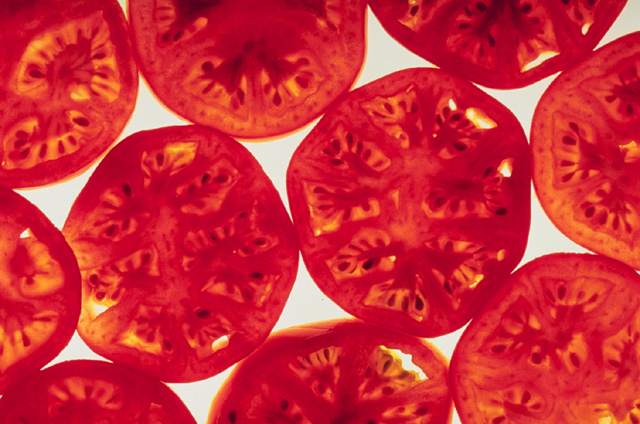
Apart from the vegetables that have the seeds growing within them you then only have to think about buying seeds such as lettuce and turnips where you have to rely on getting the seeds from them from the plant itself by letting it go to seed.
Another option is if looking to get seeds from the plants you already have this will also save you loads of money for the following year.

What you can save from the plant
Lettuce, garlic, cabbage, peas,peppers,potatoes, tomatoes,chives,onion, green onion,celery,cucumber,squash,pumpkin,turnip,parsnip,spinach,beetroot,cauliflower,asparagus,peppers,leek,rocket,carrot,aubergine and even corn although this list is not just limited to all of the above and you can find many other vegetable plants you can obtain the seeds from. Even if you don't have all of these perhaps a friend does and you could swap some of your seeds for the seeds you don't have.

How to save from plant or vegetable
*When you want to keep the variety of the seed and maintain its purity and where only a small amount of seed is required, cover the flowers of the plants such as rockets, peppers, tomatoes and sqaush before the flowers open with a paper bag. This way it will exclude insects which can cross pollinate your seeds and change the genetic makeup of your seeds.
*Don't collect seeds in the morning as there is too much moisture present from dew.
*Once the seeds have been left to set allow the plants to seed as normal. For most vegetables leave the best specimens alone until harvest time until they are well ripened.
*Clean all seeds by removing loose matter from them as this may give pests a place to hide.
*Place seeds on newspaper and leave to dry off completely, this process usually takes a day.
*Store seeds in air tight container such as a jar and leave in frost free area until sowing time.
*Make sure you label each seed in their containers so you know what is what.

What You Should Not Save
Take note it is not wise to save anything from plants that look unhealthy for example, weak or diseased plants or even those that produce less produce as there may be something wrong with them and it may affect the structure or make-up of the seeds.
Also don't save seeds from the first plant that set seeds. This increases the chance that your plants will be early seeders in the future and may not preform as they should.
More Gardening Articles By Tanya Kime-Wallace
Everything You Need To Know About Tulips And How To Successfully Grow Them
Make Your Own Beautiful Art Work By Creating A Simple Garden
The Secret To Finding Your Gardening Green Thumb
Copyright © 2010 Tanya Kime-Wallace