How to Prevent Frostbite in Pets
EducationHow to Prevent Frostbite in Pets

If temperatures in your area get well below freezing you pet is at risk for frostbite. This applies to all outdoor animals including livestock.
What Causes Frost Bite in Pets?
While our pets are covered in fur, in extremely cold temperatures this fur is not enough. Keep in mind that the extremities, such as the ears, tail, and paws, are not as well covered. As the animal gets colder it gets goosebumps, then shivers to stay warm, if it continues to feel cold its body responds by restricting blood flow to the extremities, these areas if restricted of blood for too long will die; meaning an animal can get frost bite on its ears, tail, and feet, as well male animals can get frostbite on their testicles.
Young animals are the ones most often at risk, as well as older animals.
Signs of Frostbite
The affected area may turn red immediately after exposure to the cold, it will later lose color, eventually turning black. In some cases a large blister may form. The affected area will feel cold to the touch.
How to Treat Frostbite
Warm the entire animal. If it is a cat or dog bring it into your home and place in a warm area of the home. You can also do this with small livestock animals such as lambs or calves. Horses and larger livestock animals should be brought into a barn.
Be aware that hypothermia can also be a concern so it is important to warm the whole animal too. Also do be aware that as you warm the affected frostbit areas your animal may feel pain. You will want to prevent them from biting at these areas which they might be wanting to do.
Treat the frostbit area gently, you can try to warm it with a blow drier, or by using warm heat packs. You can rub the main body of the animal to encourage blood flow, but try to avoid rubbing an area that is frozen, as you can damage the skin. If areas are cold but not frozen, you can rub them gently. Do not put the animal in a bath as this can actually lower its body temperature and cause hypothermia.
Do be aware that in cases where an animals paws are affected a veterinarian should be consulted.
As well you need to be aware that infection can set in so if the frostbite is severe a veterinarian should be consulted.
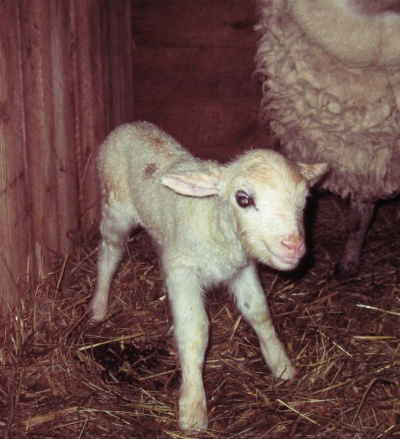
On cold winter days newborn lambs should be kept in the barn.
Frost Bite Experience
I have seen cats lose ears from frost bite, one kitten showed up at the animal shelter with swollen ears, it took several days but about half of each ear fell off due to frostbite damage that had already occurred.
On the farm I have a few winter born lambs lose half their tails, or tips of their ears due to frost bite (I do not dock my lambs tails). This typically happens when lambs are born on cold days, being wet these extremities are quick to freeze.
I have also seen several horses missing tips of their ears.
How to Prevent Frostbite in Pets
The best way to prevent frost bite in pets and livestock is by providing them proper shelter, and being aware of temperatures. When the weather is very cold cats should not be let outside at all, and dogs should only be out for short times.
With livestock animals, putting them into the barn at night will help reduce cases of frostbite.
Keep a special eye on younger animals, and elderly ones, as they are the most at risk.
If possible keep livestock animals together for warmth.
Do not clip the hairs in the ear of the horse as winter approaches.
*A particular note should be made about peafowl, and pheasants, in that the birds with longer tails are more at risk from frostbite which could kill them. These birds must have proper winter protection.