About Bitter Melon or Karela: Gastronomical Uses and Nutrition
EducationAbout Bitter Melon or Karela: Gastronomical Uses and Nutrition

Despite its name, bitter melon isn’t a melon but a type of tropical cucumber and part of the Cucurbitaceae botanical family of vegetables. Bitter melon is also known as balsam pear, bitter gourd, Karela in India and cundeamor in South America. Its botanical name is Momordica charantia. This close relative of the cucumber, that only grows in tropical and subtropical regions, probably originated in southeast Asia or the Indian subcontinent; its propagation in Africa and Singapore is thought to have been spread by overseas Indians.
There are two basic types of bitter melon. Indian bitter melon or Karela is small, about 3-4 inches long with extremely bumpy skin. The Indian variety is rarely seen in western markets, mainly because it is perishable and does not transport well. The Chinese variety is about twice as large and is more hardy than its Indian cousin. Both varieties have a similar taste and are green when unripe, turning orange-yellow, and sometimes white, as they ripen.
Preparing and Gastronomical Uses: Firstly, the inedible skin and seeds of this vegetable need to be removed. Peel, cut lengthways, scoop out and discard the seeds. The flesh of bitter melon contain quinine, a bitter tasting substance that can increase as the vegetable ripens. Quinine can be neutralized by ‘sweating’. Sprinkle the sliced pieces with salt and allow to stand for 30 minutes. Rinse of the salt with water before cooking. If you use the ‘sweating’ technique it may not be necessary to peel the skin, especially with Chinese bitter melon. Another option is to soak in salt water for about an hour or blanch the prepared bitter melon in boiling water.
In Indian cooking bitter melon is often served at the beginning of the meal by itself or with other vegetables and spices such as cumin and turmeric. The vegetable is also stuffed with pork, curried, pickled or used to make chutney. In Chinese cuisine bitter melon is often steamed or stir fried with pork, onions, ginger and black bean sauce. It is also used in soups and dim sum.
Purchasing and Storing: Smaller bitter melons, and those that are dark green, tend to be less bitter than larger specimens. Look for firm, spotless bitter melons. Bitter melon should be stored in the crisper drawer of the refrigerator in perforated plastic bags. This vegetable does not freeze well.
Nutrition: In China and India bitter melon juice has been used to control diabetes for hundreds of years. In vivo studies began in the 1950’s and continued through the 1970’s which found that bitter melon could help control glucose levels without effecting insulin levels. Research suggest that bitter melon has anti-diabetic properties. Bitter melon contains many substances that are beneficial. One of them is proteolytic enzymes. Proteolytic enzymes are naturally occurring substances found in some vegetables which help us digest protein in food. These enzymes help strengthen our immune system and have anti-cancerous properties. Pregnant woman should not eat bitter melon because it stimulates the uterus and can cause premature birth.
Bitter melons are extremely nutritious as they contain many essential amino acids and are high in fiber. They are also a good source of potassium, calcium, zinc and iron.
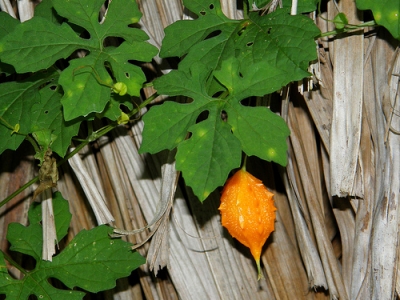
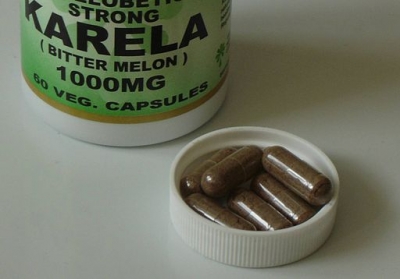
Top, a variety of bitter melon grown in South America known as cundeamor; image credit. Below top, bitter melon capsules are a treatment for diabetics. Image credit.
