The Beryl Family of Gemstones and Aquamarine
EducationThe Beryl Family of Gemstones and Aquamarine

Beryl gemstones come in a wide range of vibrant pastel colors from pinks and yellows to blues and reds. Their color spectrum is fascinating and almost endless. Beryls were first documented by Pliny the Elder (the Roman naturalist and philosopher) in his Historia Naturalis where he reports on the use of beryl as eye glasses. G.F Kunz the famous gem expert of Tiffany & Co helped popularize beryls because he recognized their potential. Kunz named the pink beryl morganite after the gemstone patron, enthusiast and banker J.P Morgan.
Morganite’s pink to violet color is often caused by the mineral manganese. It is mined in the USA in California, where it is often found with tourmaline. There is also a red variety of beryl found in the Wah and Thomas mountains of Utah called bixbite. The clear variety of beryl is called goshenite. As with other colorless gemstones it has often been used as a substitute for diamonds. Goshenite is found in the USA, Canada, Brazil and Russia.
.jpg)
Brazilian Morganite
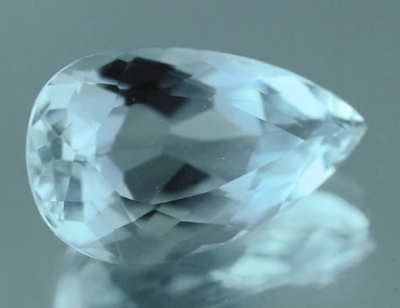
Aquamarine: aquamarine is known as the second most valuable gemstone in the beryl family after emeralds. The blue color of aquamarine varies greatly from location. A deep blue aquamarine originates from Madagascar, its color could be compared to the tranquility of the Indian Ocean. The most desirable Sky blue aquamarine of gem quality are mined in Brazil. Other locations for the gem are Afghanistan, India, Pakistan and Nigeria. Aquamarine traditionally shares an affinity with the sea and is considered fortunate for seafarers. It is the gemstone of March and is metaphysically known as the gem of youth and vitality. The color of aquamarine is attributed to bivalent iron. Most aquamarine stones are heat treated which lightens and enhances their color. For this reason care should taken with aquamarine jewelry because it is heat sensitive. One of the most attractive quality's of aqamarine is its ability to appear a different shade of blue or colorless depending upon the angle it is viewed from.
.jpg)
Madagascar aquamarine
Found in the same pegmatite igneous rock as aquamarine is the gem heliodor. The color of heliodor is yellow and could be compared with the vibrant yellow of the rarer gem citrine, but without its sparkle. Only a small amount of heliodor is considered of gem quality. They are usually a deep golden yellow color. The name heliodor means gift of the sun in Greek and it was first discovered by the ancient civilization of Namibia. There is an African legend that tells a story of heliodor being brought to earth from the sun by meteorites.
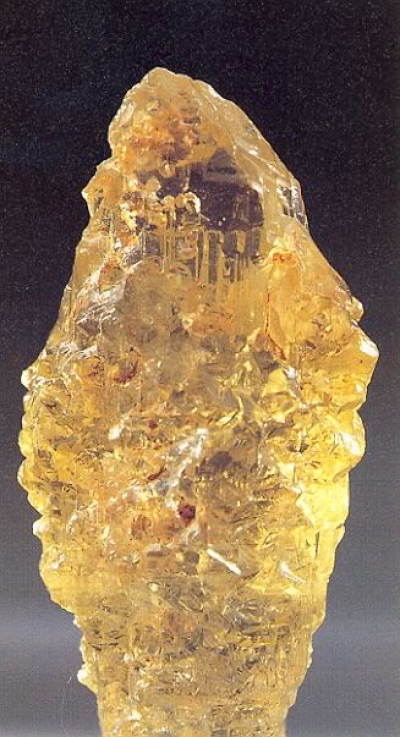
Heliodor
Beryl’s often form large crystals in molten rock which can be over two meters in length. They can often be found in the same veins as topaz and tourmaline. The value of beryl depends on the color, shade and quality, with the vivid and pure gems being the most valuable.
photo's from photobucket.com