Prostate Gland Enlargement Symptoms and Cures
EducationProstate Gland Enlargement Symptoms and Cures


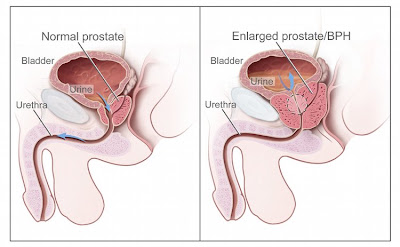
The male prostate gland surrounds the neck of the bladder and upper part of its outlet tube (the urethra). The fluid it produces forms part of the semen released during ejaculation (male climax). The prostate gland tends to enlarge from middle age onwards, pressing on the urethra passing through it. This interferes with emptying the bladder, and can lead to annoying symptoms.
Symptoms
- Need to empty the bladder more often
- Getting up at night to pass urine
- Having to strain to empty the bladder completely
- Feeble urine flow - poor control over starting and stopping stream
Cures
Naturopathy
A whole-food diet and supplements, regular appropriate exercise, warm and cool baths using herbal and aromatherapeutic remedies as recommended, as are compresses for deep pelvic pain, applied over the bladder and, if necessary, to the perineum (the space between the genitals and the anus). Some yoga positions may prove helpful in the relief of this and other male pelvic problems.
Vitamins and Minerals
Ample supplies of water and fruit juices, especially a mixture of freshly squeezed carrot, cucumber and beetroot in roughly equal volumes, are recommended. Caffeine-containing drinks such as tea, coffee, and cola should be avoided because they can aggravate benign enlargement of the prostate gland. The high intake of fresh fruit and vegetables could in itself be beneficial because of the hormone-like nutrients many plants possess. The prostate gland also contains more zinc per gram of tissue than any other organ - zinc rich foods are therefore said to help this condition, and these include lean lamb chops, eggs, wheat-germ, pumpkin seeds, fat-free milk powder and powdered mustard.
Specific dietary supplements include zinc gluconate; pollen has been confirmed in many clinical trials to reduce benign prostate gland enlargement and the symptoms to which it gives rise.
Herbal Medicine
Best prescribed by a qualified medical herbalist, remedies for prostate gland swelling include saw palmetto (extracts of the berries have been used for centuries as a general tonic for the male reproductive system); damiana; couch grass; and horsetail. Cranberry extracts and juice ease a sore, inflamed bladder and combat urinary infection.
Aromatherapy
Lavender or gaiac essential oil, used to make a warm or cool compress, or added to massage oil and smoothed into the perineal area and over the lower abdomen, and lavender tea to reduce bladder inflammation are recommended.
Homeopathy
To be taken 4 times daily for up to 21 days: Sabal 6c for difficult or painful bladder-emptying, including spasms of the bladder or urethra; Ferrum pic. 6c for a senile person who urinates a lot a night, and complains of pressure on the rectum and a smarting sensation at the neck of the bladder; Baryta 6c for a frequent urge to urinate, a slow stream, and when the person is thin, underweight and impotent; Thuja 6c for a frequent and urgent desire to pass urine; Iodum 6c for loss of potency, shrunken testicles, and when the prostate gland feels hard (which may be a sign of cancer).
Medical Treatment
Drugs can now be given to shrink a benignly swollen prostate gland; in suitable cases, surgery is often preferable as a large chunk of the gland can be removed, freeing the urinary obstruction.
Prevention
- Follow healthy lifestyle guidelines
- Take supplements believed to boost the prostate glands health
Caution
- See your doctor as soon as you experience symptoms - more serious conditions must be eliminated
- Seek medical advice about bladder and groin pain, fever and feeling unwell - the urine in a bladder that is incompletely emptied can become infected, damaging the kidneys and the bladder
- Straining to empty the bladder increases the pressure in the abdomen and skull - possible outcomes include pounding headaches, prolapsed rectum, hemorrhoids, and hernia