The Most Environmentally Friendly Pets
EducationThe Most Environmentally Friendly Pets

This is written for the environmentally concerned pet owners who wish to keep up with the times and have a pet who is environmentally sound and considered "green". These pets have a small carbon footprint.
Chickens
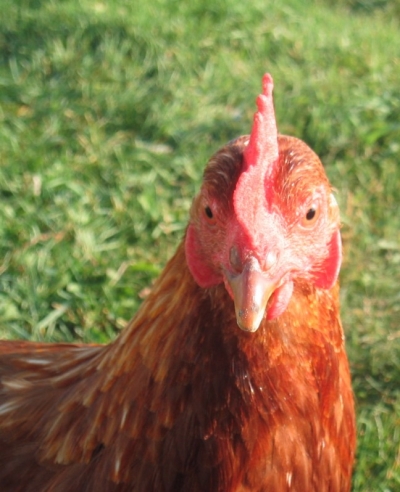
Chickens are very environmentally friendly pet; in fact there is probably no greener pet than a chicken. Hens produce eggs (a hen lays eggs even without a rooster) which can be used as food for their owner. As any environmentalist knows producing your own food is more environmentally friendly than getting it brought in from somewhere else.
As environmentally friendly pets, chickens are very cheap to feed. Chickens, if allowed to be free range during the day, will eat insects, such as grasshoppers, slugs, and flies thus reducing the need for chemical pesticides. They will also eat insects that plague other pets, such as flies, fleas and ticks. Although they need laying ration and chicken scratch as a treat, chickens will dine on your dandelions, and can be fed your forgotten bananas, strawberries and so forth.
On the whole, birds, especially those who eat mostly fruits or seeds, have a low environmental impact, but because chickens also produce a good supply of eggs they are the best bird an environmentally friendly pet owner can have. Some cities are allowing them as pets, but not all.
Insects
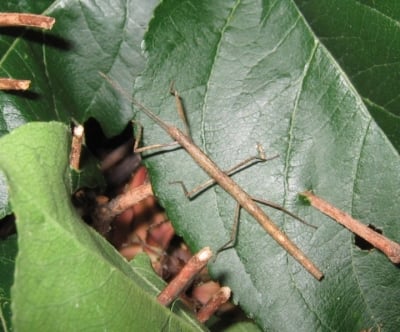
Many people, particularly those with allergies, are finding insects to be good pets. Particularly the insects who dine on vegetable matter. If people have a garden they can usually pick certain kinds of leaves or grow lettuce for their pets, as many dine on romaine lettuce. These pets have low space requirements and as such have low environmental impact.
Two important notes: First do not capture a wild insect to keep it as a pet, this is illegal in some areas, and these animals may have poor survival rates. Pet insects can be acquired from breeders or often through stores that specialize in reptiles, and can sometimes be found through ads in reptile magazines. The second note is that if a person gets tired of their pet insect they cannot just release it into the wild. Again this is illegal in most areas.
Small Rodents and Rabbits
.jpg)
Other green pets include any of the vegetarian animals, such as rabbits, hamsters, and guinea pigs. These are lower on the list purely because of their need for prepared food and pellets. (Chickens also need prepared food but because they lay eggs they were bumped to the top of the list). These small animals are more environmentally friendly than cats or dogs because they are vegetarians, which has less environmental impact than eating meat. They also need bedding, cages, and in some cases, litter boxes. An owner can help make their pet greener by growing some vegetables for their pet in their garden rather than buying them from the store.
Sheep or Goats
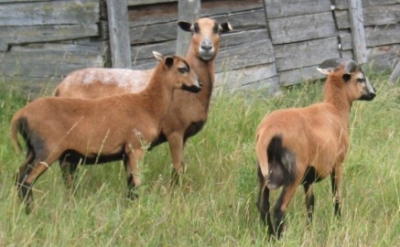
©by author - these are hair sheep
Not a pet everyone can keep, but for those who can sheep and goats offer many environmental advantages. Neither should be kept alone as they are herd animals its best for them to be kept in pairs at least. They will act as environmentally friendly lawnmowers, requiring hay and oats in the winter when grass is not available. They do need a shelter but a small shed will be enough. Wethers (neutered animals) make the best pets, otherwise ewes and does can be considered. Especially if purchased as orphans they will bond very easily with their owner and be very friendly.
Note that it is the flatulence produced by sheep and goats that is the main environmental concern with them.
Spayed and Neutered Pets
Even our cat and dogs can be more environmentally friendly if we only take the time to spay or neuter them. This not only reduces there risk of some health problems, but more importantly reduces their chances of giving birth to unwanted young. The impact of millions of unwanted kittens and puppies is felt by shelters around the world. In the USA alone it is estimated that more than 4 million are euthanized yearly because more are born than there are homes for. Every kitten and pup that does find a home, means that another will not.
Note that in general pets that are vegetarians are more environmentally friendly than those that are not, but it is unfair to force any pet to eat a diet that is not natural for that species.