Kaali Meteorite Crater is a Great Travel and Historical Site in Estonia
EducationKaali Meteorite Crater is a Great Travel and Historical Site in Estonia

The Kaali Meteorite Crater is a great travel and historical site located in the Northern European country of Estonia. The area contains at least nine craters that were created when a massive meteorite plummeted to earth some 4,000 years ago on the island of Saaremaa in Estonia. The island of Saaremaa lies in the Baltic Sea and is the largest island in Estonia.
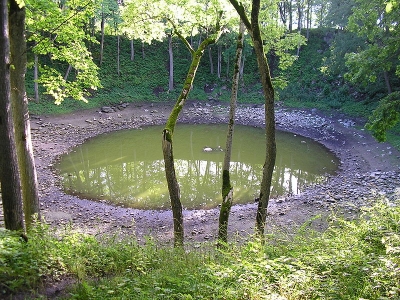

The largest of the meteorite craters is 340 to 360 feet in diameter and 72 feet deep. Inside this crater is Lake Kaali which is 100 to 200 feet in diameter with depths of 3 to 20 feet depending on the time of year and the weather conditions. Rain and snow fill Lake Kaali in winter and spring but then it tends to dry out in the warmer and drier months.
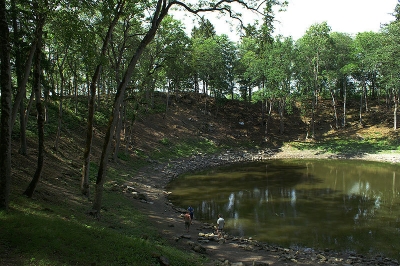

There are 8 known smaller craters around the main crater and the smaller craters range in size from 40 to 130 feet in diameter with depths ranging from 3 to 12 feet. The craters are probably around 4,000 years old based upon analysis of pollen and peat in the area and it is believed the area was inhabited at the time and the impact was witnessed and certainly felt and quite possibly people were killed. Most of the forest on the island of Saaremaa was burned to the ground as a result of the impact.
Up until the 1930's it was generally believed that Kaali Lake was a caldera lake formed by the collapse of a volcano. Geologist Ivan Reinvald however found 30 meteorite fragments in the area in 1937 which which ruled out a volcano and proved that Kaali was a meteorite impact crater.
.jpg)
Image Source (notice person in white shirt standing back left in photo)

The mass of the meteorite that created the Kaali Meteorite Craters is estimated at anywhere from 400 to 10,000 tons. It was moving at a speed of 10 to 30 miles per second as it entered the atmosphere and the heat and friction forces as it fell through the atmosphere caused it to continually shrink in size until it broke apart about 5 miles above the earth's surface and then fell in pieces to the ground with the same type of impact the nuclear bomb at Hiroshima had. The largest piece of the meteorite created the main crater and Kaali Lake and the other fragments created the other 8 craters in the area. There are probably more craters in the area that have not yet been discovered. The impact with the ground was so great most of the meteorite was pulverized and the surrounding bedrock was forced into an upright or vertical position which is typical of meteorite impact craters.
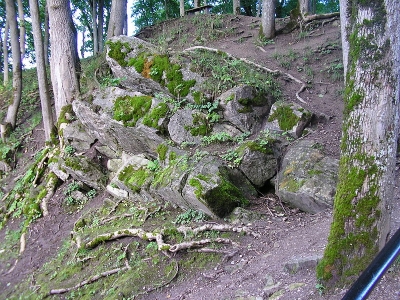
Image Source (Rocks forced upright by meteorite impact at Kaali Crater)

Archeological digs at Kaali have uncovered stone walls around the main crater the largest of which was 1,600 feet in length, about 6 feet in height and 8 feet thick. No one knows for sure why the walls were built but speculation runs from defense to a sacred place where possibly even human sacrifice was practiced. The meteorite impact figured prominently in the mythology of the area which was known as the place where the sun stopped shinning and also as the place where the sun fell from the sky.
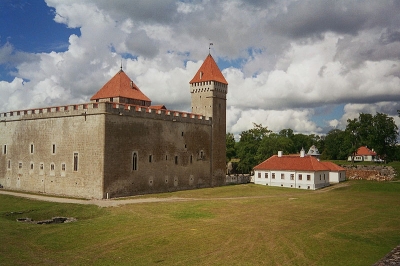
Image Source (Castle on Saaremaa about 10 miles from Kaali)

Almost 2,000 years ago the island of Saaremaa was known to be inhabited by a Viking like people and the island was home to the feared Estonian Pirates who built their wealth by raiding neighboring countries. The island was conquered by Denmark in 1206 but abandoned and then conquered again in 1227 by the Livonian Brothers of the Sword during the Crusades. The island has a history of warfare, pirating and violence so the stone walls built around the Kaali Meteorite site and Kaali Lake were probably built for defensive purposes. Kaali Lake was also known as a Holy Lake so sacrifices and rituals were probably performed here too including perhaps even human sacrifices. All of the myths and folklore surrounding the Kaali Meteorite Crater area greatly add to the attraction of the site for visitors.
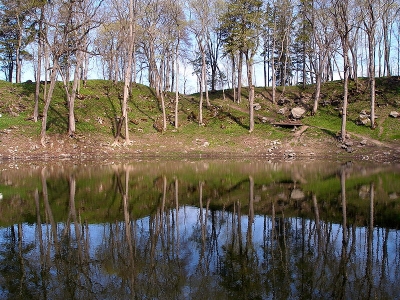

Kaali Lake today is a big tourist attraction and a great travel and historical site for Saaremaa and Estonia. It is believed to be the last densely populated place on earth that has seen a giant meteorite impact or crash. The Kaali Meteorite Craters are located about 11 miles from the city of Kuressaare which is the capital city of Saaremaa and there is a visitor center and museum on the Kaali Crater grounds.
.jpg)