Icelandic Travel: The Icelandic Horse
EducationIcelandic Travel: The Icelandic Horse

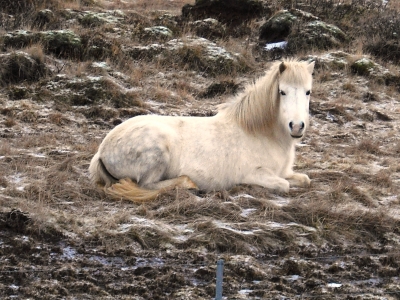
The Icelandic horse is the only breed of horse you will see in Iceland as it is illegal to import other breeds. This law has insured the pure blood of this breed and only recently has it become legal to export the Icelandic horses. The Icelandic horse arrived in Iceland with the Vikings and is perfectly adapted to cope with the Icelandic weather. These beautiful horses are just one of the things you can see in Iceland that you can see no where else in the world.
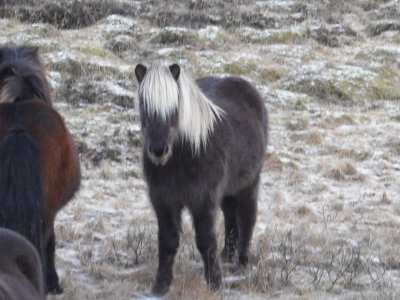
The Icelandic Horses are stocky and reminiscent of horses from fairy tales. Their coats are thick and shaggy with long tails, mains and eye lashes. Their sturdy bodies, hardy hooves and thick coats help them survive the Icelandic cold. Many of the horse farms leave these Icelandic horses out in the pastures in cold weather and even at night and believe this is best for them.
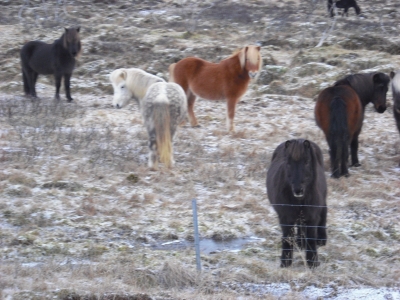
The Icelandic Horse is much smaller than the horses you may have seen before, in fact most of the Icelandic horses are even smaller than ponies. The Icelandic horses are bred around the Icelandic coast, both for riding horses, work purposes and for horse meat. While on a tour of Iceland's southern peninsular I noticed the large number of horse farms and horses grazing in the road side fields and realized that there were just too many horses for them to be all for riding purposes. When I asked our guide he told me that the same horse farms that breed Icelandic horses for riding can also sell the horses for meat if the horse turns out not to be obedient enough for riding. Horse meat is one of the traditional Icelandic foods, but is not eaten by all Icelanders.
Another unique quality of the Icelandic horse is the number of gaits it has. The Icelandic horse has six gaits – walk, trot, canter, gallop, the tolt and the flying pace. The tolt is like a fast walk and is characteristic of only a few horse breeds. The flying pace is a fast gait with the pair of legs on each side of the horse moving in unison alternately. Even on a beginner's horse riding tour on one of the Icelandic horse farms they will let you experience the tolt.
Horse riding is extremely popular amongst Icelanders and there are many private stables and horse farms around the main cities like Reykjavik, where families keep their horses. There are also horse farms specifically for the tourist trade, and all year round groups are lead on riding tours on these unique Icelandic horses. One farm we visited has up to 180 horses during the summer to cope with the large number of tourists.
To ride an Icelandic horse you don’t have to be a rider or have any previous horse riding experience as there are horse riding tours for all levels. The Icelandic horse riding tours range from an hour to 8 days and can include any number of extra activities. The longer over night trips consist of horse riding during the day and camping at night. These longer horse riding tours take in the famous Icelandic sights on the way.
For the absolute beginner the hour long ride covers the unique Icelandic landscape and you can see the Icelandic farm life and open fields between sea and mountains. I was particularly amazed by the rough terrain this sturdy breed of horses manages to navigate with grace and easy. The Icelandic land can be covered with black ice, rocks, and hardened lava fields, all of which these horses manage to cross.
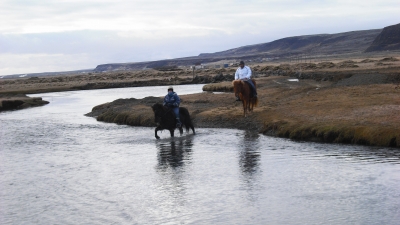
The horse farm I visited – Eldhestar – picks you up from your hotel in Reykjavik, and takes you the thirty minutes outside of the city to their farm. This horse farm also has a hotel for real horse lovers and tourists who don't want to be in the city. This Icelandic horse farm has a good reputation but before you book with any horse farm in Iceland ask at your hotel or your tour guide for recommendation as to which stables treat their horses well. Seeing the amazing natural sights of Iceland can be done from a bus, a jeep, a snowmobile or for something completely different, from the saddle of an Icelandic horse.