Garbage and Pollution
EducationGarbage and Pollution

What is a garbage?
"There is no such thing as garbage. In other words, the waste of one organism is food material for another. Human's waste pertain to products that are of no use to us anymore. These products range from synthetic plastics such as grocery bags to old appliances. The general rule is that if you can't use it, throw it. These products are otherwise known as garbage. People throw it since they don't have use for it anymore and when they do, it becomes part of nature. The problem is nature does not have use of it either." (Manaligod 2004)
Garbage
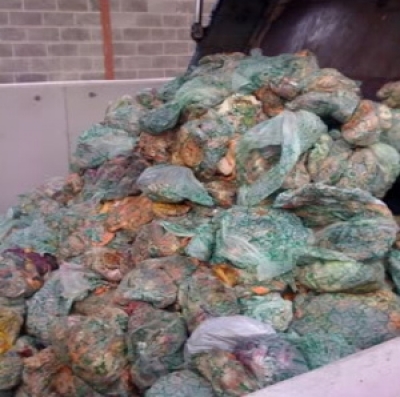
Segregation of garbage
Each one of us should take part in solving the garbage crisis. All household members should know segregation of garbage into different containers:
- Biodegradable. Biodegradable waste pertain to food, animal, garden, and human
- Non biodegradable. Non biodegradable waste includes plastic, metal, glass, rubber, cloth or fiber, leather, composites or tetra packs and shells.
- Household hazardous wastes. Which includes old batteries, cosmetics, pesticides, acids, solvent, acetone, and expired medicines.
In some countries some materials are recycle. According to a book author remember the 5 F's in recycling:
- Food. Recycle leftovers such as fruits into marmalade, Saba peeling into burger or lumpia or bread into pudding.
- Ferment. Fruit peelings can be fermented into organic vinegar, or coconut water can be made into nata de coco.
- Fertilizer. Food wastes can become good fertilizers. Do composting in your own backyard in pits or pots.
- Fuel. Biodegradable can be transformed into a fuel called methane.
- Factory. Non-biodegradable containers can be sold back to their manufacturers.
You can make money out of recycling. That should be enough to inspire you to go on zero garbage management.
Smoke cause pollution
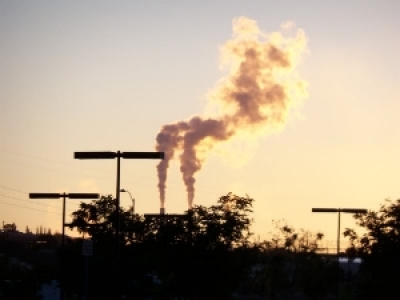
Waste incinerator
One solution to control accumulation of wastes in garbage dumps is to use waste incinerator. Chemical engineers at Rutgers have released a study showing that toxic metals in municipal incinerator ash are more abundant and more soluble and therefore more dangerous than one ever think of. Studies show that when household garbage are burn, the resulting ash has two parts:
- Fly ash. Most of which is captured from the smoke stack by an air pollution control system.
- Bottom ash. Much heavier, which falls through the grate of the combustion chamber into an ash pit.
Both ash must be carted away and both contain toxic heavy metals as well as organic compounds and other cancer-causing organics. A study showed that ash contained large quantities of metals. Lead for example if a 2000 ton-per day incinerator produces 500 tons of ash per day, and if 10% is fly ash and 90% is bottom ash, the daily ash will contain 2,935 pounds of lead. Lead metal and is a poison that attacks many part of the body such as liver, the kidneys, the gastrointestinal system and the central nervous system and the nerves.
Garbage Truck
How can we reduce pollution
Reduce pollution by:
- Buy rechargeable batteries
- Buy refills
- Buy products and packages made from recycled paper
- Avoid getting more plastic bags
- Do not burn your waste; better yet, segregate them
- Use biodegradable detergents
Resource:
Manaligod, Rodolfo, "People's Garbage: Burnt, Wasted and Toxic." Bato Balani Vol. 23