Cultural Oligarchy
EducationCultural Oligarchy

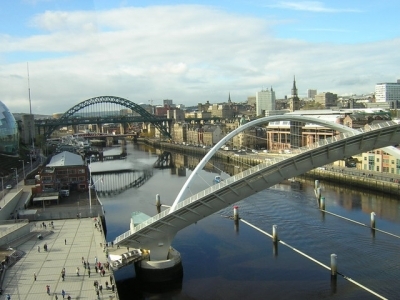
The city of Newcastle Upon Tyne underwent major industrial expansion from the 1860s until the end of the century. Factories, shipyards and engineering works sprang up, along with utilitarian terraced housing. The middle classes, made up of industrialists and professional men, were building extensively. Private houses and places of business were erected, and wealthy patrons began to fund public buildings. Newcastle was dominated by industrial capitalists such as the engineer and armaments manufacturer Lord Armstrong and the shipbuilders William Milburn and Charles Mitchell, each of whom had a vested interest in projecting a positive image for the city. Through their business endeavours, architectural patronage and skilful self-promotion this select group represented Newcastle to the world. After his death in 1900, for example, The Times described Lord Armstrong as ‘one of those eminent citizens who, from a private station, exercise an influence over national life deeper and more far-reaching than is wielded, save in rare and exceptional circumstances, by the politicians who engross public attention.’ The obituary went on to say that ‘It is largely by such men that the Empire has been made and defended.’ Armstrong’s influence on Newcastle was no less profound.

Lord Armstrong of Cragside
Newcastle depended on such figures during the period under study. Local government was notoriously sluggish with regard to civic improvement and the provision of amenities. The Council was reluctant to risk alienating the exclusively middle class electorate by raising rates. The building of the first free library in 1878-80 was the culmination of tortuous debates that had gone on since the passing of the Public Libraries Act of 1850. Many councillors objected to the idea on the grounds that the ratepayers were already overtaxed, and constant wrangles over the site caused further delays. Adequate library provision was only achieved thanks to a long campaign by the local doctor William Newton and W.E. Adams, editor of the Newcastle Chronicle. A site on New Bridge Street was finally selected and the library was designed by Alfred M. Fowler. According to The Builder, ‘The Public Library in Bridge Street is a very ornate stone building with a long front in Modern Renaissance style, with a projecting portico and a raised centre consisting of a caryatid order supporting a pediment.’
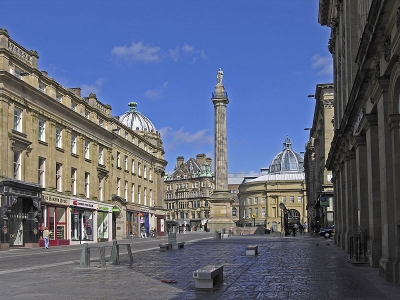
The amenities provided by wealthy philanthropists did much to ameliorate social hardship and quickly became emblems of civic pride. Yet they also served as mechanisms of power. Spaces and buildings were invested with rhetorical and symbolic meanings, and carefully-selected historical narratives were woven into the urban fabric. Through their building programmes, patrons cultivated a highly visible identity, making their dominance of the city seem both natural and benign.
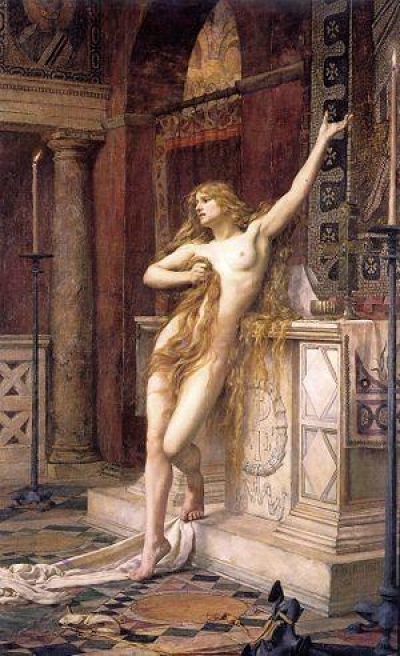
Hypatia (1885), painted by Charles Mitchell, the son of the Newcastle shipbuilder Charles Mitchell Senior