Canada Today; Facts About Canada in the 21st. Century
EducationCanada Today; Facts About Canada in the 21st. Century

Canada is a vast country, Russia is the only country which is bigger than it. It extends to three oceans, the Atlantic, Pacific and the Arctic and is located between America and Russia. The longest border in the world is the one that runs between Canada and the United States. Canada covers almost 10 million sq km, with a little over 9 million of it being land and almost a million of it being fresh water.
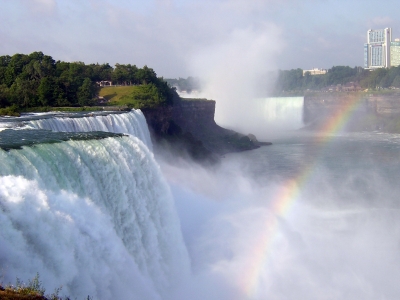 Niagara Falls, Ontario
There are 10 provinces and three territories in Canada each have a Capital city. They are;
- Alberta (Edmonton)
- British Columbia (Victoria)
- Prince Edward Island (Charlottetown)
- Manitoba (Winnipeg)
- New Brunswick (Fredericton)
- Nova Scotia (Halifax)
- Nunavut (Iqaluit)
- Ontario (Toronto)
- Quebec (Quebec City)
- Saskatchewan (Regina)
- Newfoundland (St. John's)
- Northwest Territories (Yellowknife)
- Yukon Territory (Whitehorse)
The Capital city of Canada is Ottawa.
Presently, Canada is home to around 33 million people, which is relatively small in comparison to many other countries. Despite being the second largest country in the world, 35 other countries have a higher population than it does. Of the 33 million citizens, about 18% or 6 million are immigrants, the majority coming from China, India and the Philippines. Approximately half of Canada’s immigrants live in Ontario. Close to 90% of all Canadians live within 160 Km of the American border.
.jpg) The City of Toronto
The City of Toronto
Canada is a country of diverse culture and is home to many people of different origins and religions. Those who ancestors originated from the British Isles make up 28% of Canada’s population. Those with a mixed heritage make up about 26% and those with French origins make up about 23%. Roman Catholic is by far the predominant religion in Canada, having 42% of the population. Protestant/Christian follows next with 23% and than atheists with 16%.
The average life span of a Canadian citizen is 81 years. They have the ninth highest life expectancy in the world. Canada offers free health care to all its citizens and its government has programs to help pay for prescription drugs for low income families.
Parents in Canada, can choose to home school their children or send them to public, private or Catholic schools. As Canada is a bilingual country, children learn both English and French in school. The country has a high literacy rate, 99% of Canadians over the age of 15 can read and write. Canada also has the highest number of post-secondary school enrolments.
Canada is a country of varied environments and vast natural resources. It has dense forests, five great lakes and a multitude of smaller lakes, streams and rivers. It has magnificent mountain ranges, beaches, swamps, glaciers, farmlands, large metropolitan cities, quaint towns, and varied seasons and temperatures.
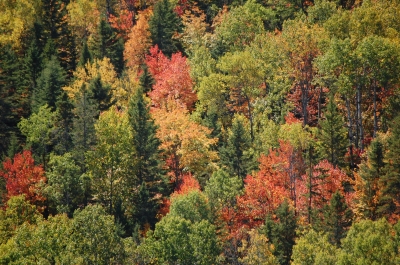 Algonquin Park located in Northern Ontario in September
According to the U.N. Human Development Index, Canada has the best quality of life in the world. It has the ninth largest economy and is the eighth biggest world trader. Canada is in the top five in the trading of zinc, natural gas, gold, nickel and copper and produces more oil than the country itself uses. Most of the extra oil produced is exported to the United States. America purchases more oil from Canada than from any other country. Canada is the fifth largest energy producer in the world and is also one of the leading countries for agricultural products. Canadian grains are sold worldwide. Beef is also a big commodity for Canada. Over 15 million cattle live in the country, the majority in Alberta.
Like any country, Canada is not perfect. It too has its problems and faults. However, Canadians know they are extremely lucky to live in such a fantastic country and they are truly proud to be Canadian.