How To Grow And Maintain Hydrangeas
EducationHow To Grow And Maintain Hydrangeas

The blue hydrangea says carefree summer beach cottage here in New England. These spectacular shrubs with their blue floppy flower heads are easy to grow and maintain. The hydrangeas blooms all summer long and lend themselves to the cut flower arrangement. As the weather turns colder the blooms take on a darker more purple hue. Even in the dead of winter after the leaves are gone the faded flower heads can be gathered and spray painted for craft projects.
The pH of the soil dictated the color of the hydrangea. The more acidic the soil, the bluer the flower. The more alkaline the soil, the pinker the flower. A neutral pH yields an array of tones on the same plant from green to aqua to lilac. This indicator of soil pH should not discourage the gardener. The New England soil is basically acidic due to the number of evergreen pines and cedars. If you routinely use pine bark or pine needle mulch your soil will be acidic.
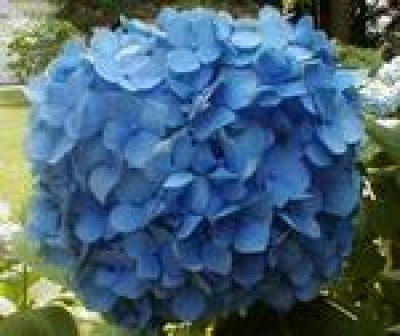
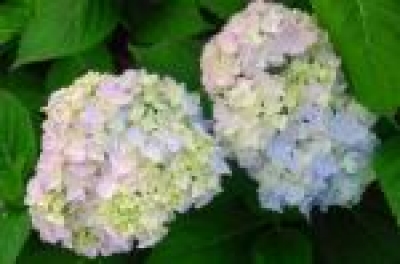
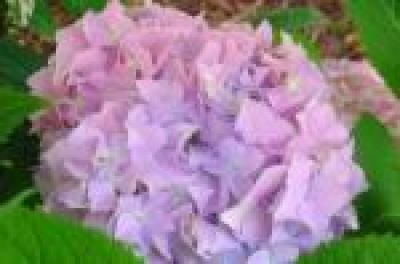
"Nikko Blue" in acidic, neutral and alkaline soils
Selecting The Right Hydrangea
First determine your planting zone. Visit the Plant Hardiness Zone Map for the United States. Just enter your zip code to the left of the map. Your local reputable nursery should only carry varieties that grow well in your zone. There are 4 categories of hydrangeas: Hydrangea macrophylla (the most popular mopheads), Hydrangea arborescens, Hydrangea quercifolia, and Hydrangea paniculata. Each have their own attributes and requirements. Not all hydrangeas are blue or pink. There are also white varieties like the popular "Peegee".
Planting The Hydrangea
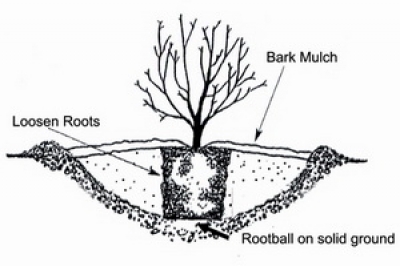
Select the place in your garden to plant your hydrangea according to its specific light needs. Most require at least 5 hours of daily sunlight to bloom. Potted or balled and burlapped hydrangeas can be planted any time of year. Transplanting hydrangeas should be done in early summer or late fall when plants are dormant. Mix fertilizer, mulch, or manure with the soil you remove from the planting hole. Throw in a couple of rusty nails to supply iron and help maintain pH. Plant no deeper than the top of the soil in the pot. Water well. Water thoroughly weekly during the first two summers. Make sure soil drains well. Hydrangeas like moist soil but root rot will occur if left standing in wet soil.
Maintaining Hydrangeas
Hydrangeas do well with fertilizer applications twice during the summer. Apply organic mulch or manure in early spring and again in mid summer. Do not fertilize after August. A time-released fertilizer need only be applied once in spring.
Pruning is not necessary. Remove dead stems. Spent flowers can be cut off. Know your hydrangea. Each variety has its own requirements. If your variety blooms on old wood, the blossom buds for next year are set by late summer. Pruning will remove these and you will have no flowers next year. Everblooming varieties can be safely cut back to just above ground level in winter if they are too large or old.
Changing Color
If you plant your hydrangeas in the ground, drastically changing the color cannot be achieved. Planting near cement foundations may bring on pinker hues due to leaching lime. Aluminum uptake is key to maintaining blue hydrangeas. Blocking aluminum uptake is key to maintaining pink hydrangeas. If your goal is to have a specific color but your soil is not the correct pH, grow them in pots above or sunk into the ground. It is much easier to achieve the proper pH and nutrients within the pot. An acidic soil promotes aluminum uptake.
With proper watering, occasional fertilizing, maintenance pruning, and proper sunlight your hydrangeas will happily bloom for many years to come. Instant gratification will be your reward year after year.
You may like your hydrangea so much that you may want to propagate more of them and save yourself some money.