How to Decide if a Bird is a Good Pet for You
EducationHow to Decide if a Bird is a Good Pet for You

Although they are pretty, make lovely sounds, and are often sold as pets, birds are not good pets for everybody. There are many different types of birds, each with its own different needs and demands. Learn more about birds in general, and later, the specific breeds, before you go further in pursuing getting a pet bird.
Here are some questions to ask yourself to help you decide if you are ready to own a pet bird. Take the time to answer each question before reading further.
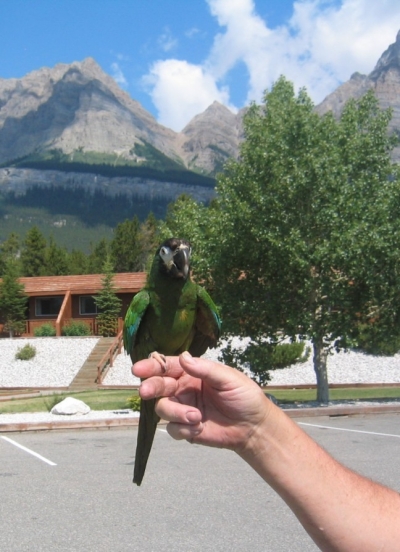
With smart species of birds either you don't get a vacation, or you take it with you! ©MGB
Why do you want a Pet Bird?
So many people want a pet for the wrong reasons. If you want a bird because you think it looks cool to walk around with a bird on your shoulder, then you are not interested in bird ownership for the right reasons. The right reason for owning a bird is because they are the pet that fits best with your lifestyle and because you can provide a good home for a bird.
How much Time do you have to devote to your Bird?
This will also help determine what kind of bird is right for you. Some birds, such as parrots, require nearly constant attention. If left alone for too long they suffer mentally. In other words many birds are best kept as pets only if a person can be home with them almost all the time, or if the bird can "go to work" with the owner. Other birds, such as finches, are fine when left alone, but still require at least 20 minutes a day devoted to their care, and cleaning.
Where will your Bird Live? What Cage – What Room?
Your bird will probably have a cage of some sort, how big will this be, and where will it be? Consider the size of the cage in relationship to where you will keep it, and in relationship to the bird. Sadly most birds are kept in cages far to small for their physical needs. Birds do not move in an up and down motion – they fly forwards, yet most cages are taller than they are long – this deprives the bird of the most natural thing to it – flight. For many small birds, large aviaries are best. For larger birds, time out of their cage is usually required (up to 16 hours a day).
The cage should be in a central location, a place of the house that has the most activity. This is especially true of the more intelligent birds who suffer when left alone.
Are you Prepared for the Mess?
Birds are very messy pets. When out of their cages birds poop anywhere they please, but more so, when in their cages they tend to spill seed husks, and shake feathers loose. Birds often have dander, this gets into the air every time they shake themselves, and will look like dust. People who want immaculately clean homes may not find that a bird is suited to their lifestyle. To shut a bird away in another room, or to keep it caged all the time (with the exception of small birds such as finches and canaries) is cruel, you must allow for, and expect some, mess! While all bird poop is messy, softbills have particularly messy waste.
Can you Afford a Bird?
Some birds are quite expensive themselves, additionally proper housing (cage or aviary) can cost a lot of money. If the bird requires veterinarian care, can you pay for that?
Where will you get your Bird?
Most people say “The Pet Store” of course this is the wrong answer. If you want a good pet bird, particularly if you are looking for something more than a finch or canary, you should look for a proper bird breeder (they can be found in Bird Fancy magazine, or at bird expositions, and pet shows). Some animal shelters have pet birds for adoption, these will sometimes come with their cage and supplies. Pet store birds are rarely as friendly as breeder raised birds, and often come with behavior problems.
How Much do you Know about Birds?
Pet birds have very specific care needs. If any of their needs are not looked after the bird will get sick and die. It is important to know how to handle a bird. They are prone to developing bad habits (such as biting) if not handled regularly, and correctly. So many people "think" they know what they are doing but soon get fed up with their pet bird and leave it to suffer in its cage as a result of what becomes a "fear" of it. People who have not been around birds a lot should not get one as a pet.
How Long can you Keep your Pet Bird?
Children living with their parents simply do not think of the future, they get a pet bird but then move out to college and cannot take it with them – but their parents do not want it either. People who are not stable in their life, should not get a bird (or any pet really). The more intelligent birds, such as parrots, are a lifetime commitment, that will very likely out live their owner.
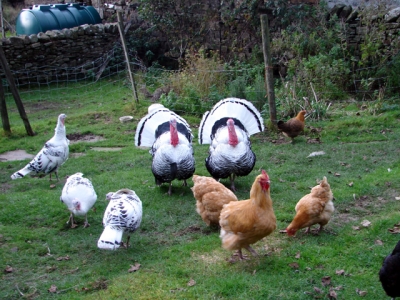
pet birds - photo source

Other Tips about Pet Birds
There are many kinds of pet birds, not all eat seeds, some eat nectar, and others require insects. Some birds, such as pheasants, peafowl, and chickens, can be kept outdoors. Chickens, of course, have the advantage in that they lay eggs, eat garden pests, and weeds. For keeping these kinds of birds it is important to note laws in the area. Some places may allow hens, but not roosters. Some places allow certain game birds, but not all.
If you do not own your home you must make sure you have landlord permission to get a bird.
Be sure nobody has allergies, and that you do not have other pets with high prey drives, such as ferrets, terriers, and cats – although cats and terriers can sometimes be trained to ignore the birds, this is not always the case.
Many people clip the wings of their bird, but this is often considered cruel, the bird is deprived of something natural. Without being able to fly its muscles atrophy. If flight is a concern for you, do not get a bird.
The Author keeps pet chickens, ducks, doves, and pigeons, and has kept guinea fowl and pheasants in the past.