Flowers As Food
EducationFlowers As Food

Flowers are the precursors to most vegetables and fruits. But that doesn’t mean flowers can themselves not be eaten. Many flowers and flower parts are consumed throughout the world. Due to their delicate nature, most flowers are eaten raw though some flowers have to be cooked to make them edible. Various flavored oils and beverages are prepared by soaking the flower petals in the liquids. Several flowers such as apple blossoms, rose petals, lilac florets, viola and pansy petals are used to make candied or crystalized flowers.
Some species of Daylily flowers are used in Chinese cuisine. Many types of hot and sour soups have daylily flower buds and petals as ingredients. The popular Chinese vegetarian dish “Buddha’s Delight” often contains daylily flowers along with other ingredients. Flowers of certain species of Osmanthus endemic to China are mixed with tea leaves to prepare a type of scented tea. The flower is also used in the production of jams, cakes, dumplings and soups. Osmanthus flowers are known to have neuro-protective and anti-oxidative properties.
.jpg)
Gulkand
The beautiful rose flowers are also consumed as part of desserts in India and Pakistan. Gulkand is a preserve with ingredients such as rose petals, sugar, cardamom and pearl. Gulkand is eaten in summer months because of its cooling effects on body. Rose water or rose syrup is the distilled essence of rose petals which is used in number of sweet dishes for its fragrance. Calendula/Marigold flowers, also known as poor man’s saffron have a strong spicy flavor. The golden-orange petals give the dishes such as pasta, noodles and soup a rich yellow color. Radish flowers are relished for their spicy radish flavor and frequently used in raw salads.
.jpg)
Dandelion Wine
The young flowers of Moringa are generally widely consumed in eastern India and said to taste like mushrooms when cooked with potatoes and green peas. The flowers are also mixed with powdered lentils and fried to make fritters. Newly opened Viola flowers are often used as stuffing for poultry and fish. They are also used in salads along with tender leaves. The essence of Viola flower is used to flavor sweet desserts. The flowers of Sesbania, a tree native to south-east Asia are steamed along with other vegetables in Thai cuisine. They are also eaten in Laos, SriLanka, India, Vietnam and Indonesia as vegetables. The buds of Caper are often salted or pickled and used in Mediterranean cuisine. They are used as a seasoning or garnish due to their intense flavor. Dandelion flower petals are used to make the Dendalion wine, a unique non-fruit alcoholic beverage. The flowers are also part of traditional Korean and Chinese cuisines.

Sauted Pumpkin Flowers
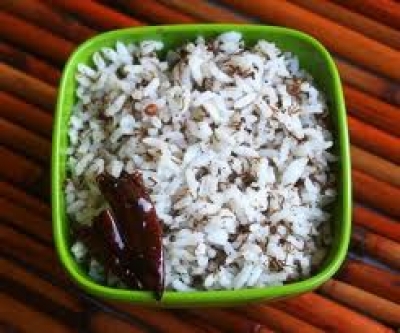
Neem Flowers
Pumpkin and certain varieties of squash flowers are widely eaten. The fleshy, brightly colored flowers taste mildly like squash. In parts of India, pumpkin flowers are regularly eaten after dipping them in rice or gram batter and frying in hot oil. Similarly the young buds of Azadirachta or Neem tree are coated in rice batter and fried to make fritters. Neem flowers are used to make a spicy soup called Veppampoo Rasam in southern parts of India. Sunflowers in their bud stage can be steamed like a vegetable and eaten. Popular vegetables such as broccoli and cauliflower are actually young buds in their unopened stage. When opened, the vegetable loses its characteristic taste and flavor. The most expensive spice in world, saffron, is actually the stamen of the crocus flower. The rarity and labor-intensive harvest of saffron makes it one of the most sought after and expensive food items. Flowers of the banana plant are eaten in most of south-east Asia. Though the raw flowers are not inedible, they are usually cooked in curries or steamed before eating.