Dog Supplements and Dog Vitamins: Everything You Need to Know Plus the Five Best Brands
Pet Health SuppliesDog Supplements and Dog Vitamins: Everything You Need to Know Plus the Five Best Brands
Averil Gleason
Your dog is more than a pet. It’s more than a fur ball of energy racing through your home. It’s a part of you, a part of the family. Your exercise buddy and most avid listener and, well, probably even your best friend. And while you rely on them for cuddles and companionship, they rely on you for a heck of a lot more. Food, water, (cuddles and companionship), and, believe it or not, supplements.
Pet supplements are an important part of a dog’s health and well being, and in this article we’re going to cover the growing world of pet supplements, as well as the top five brands we think you should get for your dog. Of course, if your dog has any underlying issues, or you’re just interested in how these supplements could affect your pet, make sure to talk with your veterinarian first. While we researched this topic as deep as humanly possible, your vet should always be your go-to for the final word on health advice for your pup.
Now, let’s dive in, shall we?
The Complete Guide to Dog Supplements and Dog Vitamins
What are dog supplements?
People take supplements to add nutrients to their diet or to lower health risks. Pet supplements act in a similar fashion. Not all dogs will need pet supplements, but as your pet ages, it’s important to keep this information at the forefront of your mind. Pet supplements are additional nutrients, such as vitamins, minerals, trace elements, or a combination of these, often in powdered form [1]. If you feed your dog homemade food, you’ll almost certainly need to add some sort of supplement to your dog’s diet. That’s because there are particular nutrients your pet cannot live without [2]. Things like protein, carbohydrates and water are easy enough to feed your pet. But what about the vitamins? The minerals? The fiber and fat that’s also vital? Don’t worry, we’ll get into how you can feed your dog all that good stuff.
Why use dog supplements and vitamins?
Choosing and adding the right supplements for your dog’s diet is equally as crucial to making sure it’s eating the right food. It’s important to ensure that they are getting enough vitamin and mineral supplements for a balanced nutrition and growth. Many home-prepared diets require vitamin and mineral supplementation [3]. Multivitamins designed for pets are generally formulated to supplement commercial pet foods and to prevent toxicity by providing lower amounts of nutrients.
Are dog supplements necessary?
You should make any changes to your dog’s diet gradually. And the same can be said for adding supplements to their diet. Fatty acids can help coats look better. Fish oil supplements also can reduce inflammation. Supplements are dog-dependent. It depends on what your dog needs to live a healthy, happy life. Maybe extra vitamins to help with allergies and digestion. Or glucosamine, chondroitin, and methylsulfonylmethane, which are all ingredients that help maintain hip and joint health.
What’s in dog supplements?
No two supplements are the same. That is, to say, there are different supplements for different doggy diets. And no supplement is perfect for every dog, so you may have to try a few different ones to see which works best.
Dogs require specific vitamins in their diet. Think vitamins B1, B2, B6, C, E and K, as well as folic acid [4]. And while commercial dog food typically provides these vitamins, your aging dog may need a little extra. Supplements are usually filled with organic herbs, essential vitamins, Omega-3s, oils, glucosamine and probiotics [5].
Are dog supplements safe?
Supplements are largely safe, however the ingredients in some supplements may affect the medicine an animal is taking [5]. Your veterinarian can assess whether your pet needs a supplement and, if your dog is on medication, what supplements are safe.
Are dog supplements regulated?
For animals, the U.S. Food and Drug Administration's Center for Veterinary Medicine (CVM) regulates two classes of products: food and drugs. Depending on the intended use, an animal dietary supplement is considered either a food or drug. There is no separate category for “supplements” for animals [6]. And unfortunately it’s not always easy to know if you’re actually getting what the product claims to have in it (luckily, we’ve hand-selected the top five pet supplement brands you can trust).
How do I give my dog supplements?
There are many ways to provide supplements for your pet. And they come in many forms. It depends on the brand you buy and the way you want your dog to consume the supplements. They come in pill form, powders, chewy treats and liquids. eCommerce stores like Chewy provide a wide selection of supplements if you’re looking to buy multiple types.
When should I give dog supplements to my dog?
Wait to give your dog supplements until they’re older. Veterinarians strongly advise against feeding puppy supplements because it could hinder their growth [7]. As long as your puppy is eating a balanced diet from a reputable pet food company, it won’t need any additional supplements in its diet. However, as your dog ages, you may want to consider adding supplements to their diet. Think supplements rich in fatty acids for a shinier coat, inflammation or osteoarthritis, or probiotics-heavy supplements for older dogs on special diets.
Do dog calming supplements work?
For dogs with social or situational anxiety, you may want to look into calming supplements. Calming supplements are filled with ingredients like valerian root, gamma-aminobutyric acid and L-theanine.
While dog supplements aren’t meant for puppies, if you have a young pup with anxiety, you may want to talk to your veterinarian about feeding it calming supplements before going to anxiety-inducing events. Brands like Finn Wellness are famous for their calming chews that support stress levels and calm hyperactive behavior.
Are dog supplements safe for humans?
The short answer is no. If you don’t have a saggy tail and floppy ears, you shouldn’t take dog supplements. There are human supplements for you. In the same vein, you shouldn’t feed your dog human supplements. Dogs have food restrictions and things like garlic or onions that could be in human supplements could have a potentially lethal effect on dogs.
Which Dog Supplements Are Best? Here Are the Top Five Brands
Finn Wellness: The best for all-around dog health
Let your dog treats do more than treat your dog with Finn Wellness soft crew supplements. Finn Wellness offers nutritionally packed soft chews for your pup’s coat, mobility and digestion, or anxiety. Starting at just $22, these are filled with natural herbs that support gut health, digestion, immunity, and mobility. At Finn, you’ll be able to find the perfect supplement for your dog through the site’s virtual vet consultation. That way, you can figure out exactly what you need for your dog without having to leave your house.
Chewy: Best for a massive variety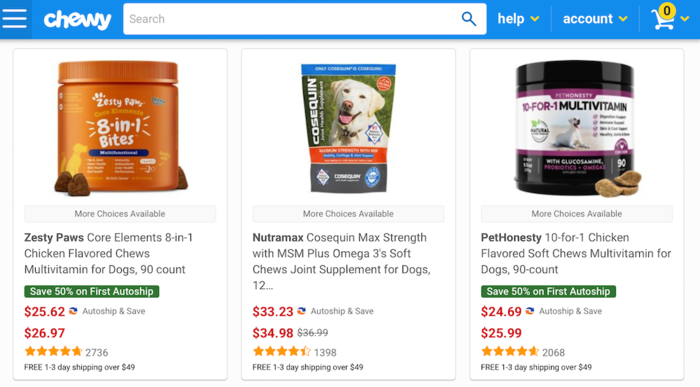
If you’re shopping for pet supplements, but also want to pick up some toys, treats and food, Chewy is the place to be. This dog-e-commerce (Get it!?) business has a little bit of everything. From pumpkin-flavored chews to digestive powder to salmon oil, you’ll have your pick of the, er, litter, when it comes to pet supplements.
PetHonesty: Best Chews
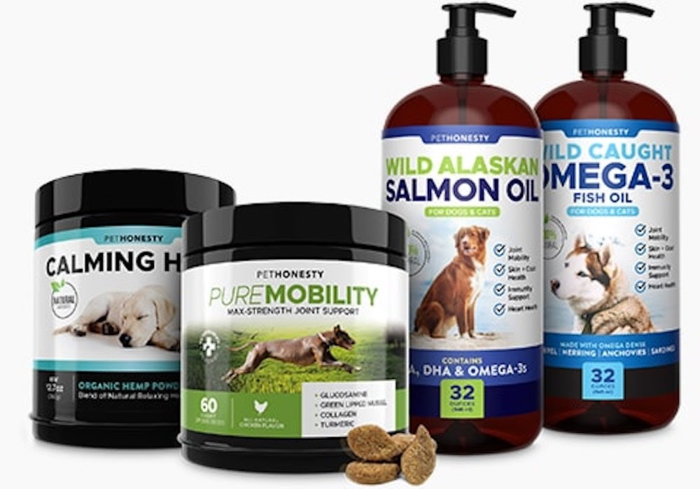
PetHonesty puts dog health first, and that’s proven to be true with how carefully crafted the supplements are. Filled with natural ingredients, PetHonesty’s products are hand picked. And don’t worry, the chews contain zero artificial preservatives, corn, wheat, or GMOs. You can get a 90 count of chews starting at $25. While PetHonesty’s products are backed by veterinarians, you’ll still want to check with your vet before introducing something new to your dog’s diet.
Front of the Pack: Best powdered supplement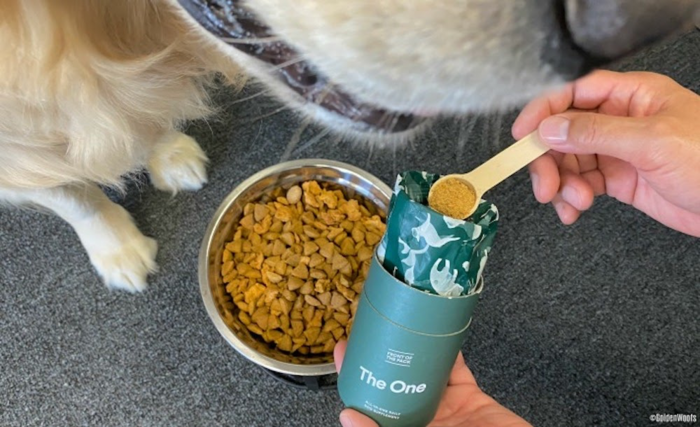
We’re not saying you should trick your dog into taking supplements, because at the end of the day, they could be very beneficial. But if your pup doesn’t like the taste of chews, or can’t swallow pills, Front of the Pack sells supplements in powder form. And you can include it in your dog’s daily meals, easy peasy. Starting at $35, you can get supplements that target anxiety support or gut support.
Fera Pet Organics: Best for hip and joint pain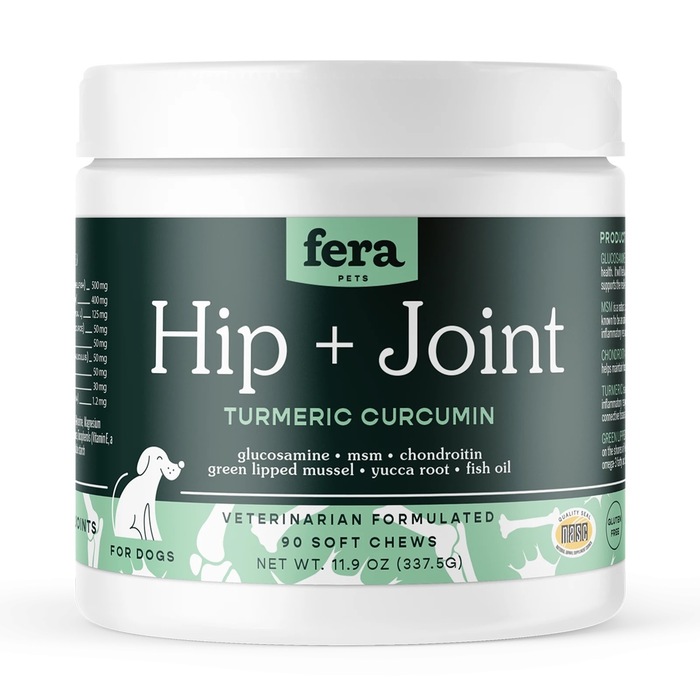
The last thing you want is for your dog to be in pain. Fera Pet Organics understands this at a deep level. Which is why a team of scientists have created a supplement that enhances joint function for dogs of all sizes. These hip and joint chews start at $35 and are gluten free with no artificial colors, dyes, or harmful preservatives.
External references
