CBD and Pregnancy — Is CBD safe during pregnancy?
CBDCBD and Pregnancy — Is CBD safe during pregnancy?
Sara Altschule
Feel like you’re seeing or hearing about CBD every time you turn around? You’re not alone! From big box stores like Amazon, Walmart, and Target to the country store in rural Vermont, CBD products are filling shelves faster than just about anything else right now. The most common application for CBD is oil that’s applied topically. But if you’re not a fan of CBD oil, no worries! There are plenty of tinctures, creams, bath bombs, pills, and even edibles you can choose from.
You’ve probably heard rumors swirling about all the wonderful benefits of CBD. More energy, less fatigue, less nausea? Yes, please! Especially if you’re pregnant and dealing with these unpleasant maladies on a daily basis, it’s probably tempting to pick up a bottle of CBD oil and get some speedy relief. But what is CBD? Is it legal? This article serves to clear up all the confusion around this fast-growing industry, and examine some of the benefits and risks involved with using CBD during pregnancy and beyond.
What is CBD?
Like THC, CBD is a compound derived from the cannabis plant. CBD has no psychoactive component, and won’t make you feel high or otherwise impaired. And despite its relatively recent popularity in everything from gummies to oil to brownies, there’s evidence that CBD was used for medicinal purposes dating back to the Han Dynasty in China. Much more recently, CBD has been considered for mainstream ailments like epilepsy (thanks to the deeply moving story of Charlotte Figi) and chronic pain. In fact, the FDA has even approved the inclusion of CBD in a medication specifically for a rare form of epilepsy.
History of CBD
While it may seem like CBD oil rocketed to popularity overnight, its journey to becoming the “it” substance of 2020 began when marijuana use became legal in California in 1996. As state after state began to sign on to this new wave of legalization, researchers began to study cannabis more intensely, which led to discoveries about the benefits of CBD and other cannabis by-products like hemp and THC. Today, medical marijuana is legal in all but eight US states, and companion products, like hemp oil, THC-infused items, and CBD represent a two billion dollar market. 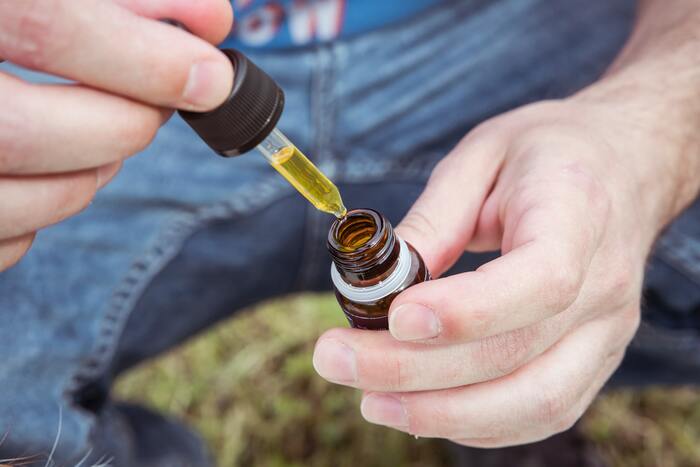
The Relationship Between Cannabis, Marijuana, Hemp, THC and CBD
As it stands currently, you’ve probably heard more about THC than CBD, which is still in its infancy. This may lead you to wonder about the relationship between cannabis, marijuana, hemp, THC, and CBD. It’s a common confusion since they’re all so similar. Here’s the breakdown:
CBD vs THC
There are two types of cannabis plants: hemp and marijuana. Both CBD and THC are ingredients of each. The marijuana variety is the one that’s dried and smoked as “weed” or “pot” and the hemp variety is used for various other purposes, including textiles and clothing. The difference? Marijuana contains high concentrations of THC, or tetrahydrocannabinol, the active ingredient that causes you to get high. Hemp plants, on the other hand, contain very little THC (often less than .3%).
The main difference between CBD vs THC is the level of psychoactive components: THC has high levels and CBD contains low to none. Shayna Conner, a Washington University maternal fetal medicine specialist at the Women & Infants Center says, “Both of these compounds have a similar molecular structure and both have effects on the cannabinoid receptors in the brain. However, CBD and THC attach to different receptors in the brain, leading to their differing effects. THC has psychoactive effects (causing the euphoric “high” sensation) and CBD does not.”
It’s important to note that CBD can be extracted from both hemp and marijuana varieties of cannabis (one of the main reasons it can be difficult to know the exact concentration of the product you’re using—we’ll examine this more later).
CBD vs Hemp oil
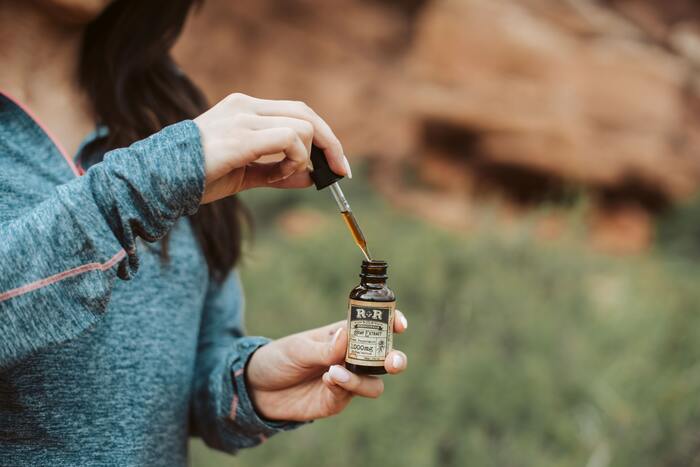
We turn to the Papa and Barkley website to further understand CBD vs hemp oil: “CBD oil is made from the leaves, flowers and stalks of the hemp plant—the only parts of the plant where cannabidiol is found,” the site says. “Hemp oil, or hemp seed oil, is made from hemp seeds, meaning there is little to no CBD content.”
How does CBD work?
If CBD has little to no THC and isn’t a psychoactive substance, how does it help anything? Why do people use it? To understand this, it’s helpful to understand how CBD works inside your body. In short, CBD interacts with the body’s endocannabinoid system. Never heard of that? You’re not alone. Essentially, the endocannabinoid system is made up of an extensive network of receptors and transmitters inside the body. Most of the receptors are centrally located in the nervous system and the immune system.
According to RoyalCBD.com, CBD serves to stimulate these receptors to make their own cannabinoids, thus regulating systems like mood, temperature, pain, sleep, and immune response.
Benefits of CBD
One of the biggest reasons why CBD has become infused into, well, just about everything is that it undoubtedly does boast many benefits. Anyone who’s dealt with the crushing agony of anxiety and panic attacks will be glad to know that CBD can drastically improve these symptoms and finally give anxiety sufferers the quality of life they long for and deserve. A recent study indicates that CBD was associated with significantly decreased anxiety over a placebo drug.
And in 2018, the FDA approved the first prescription medication that contains CBD. It’s approved only for use on a very rare and severe form of epilepsy, but this was still an undeniable win for the CBD industry. According to Healthline, below are other important benefits if you’re wondering what is CBD good for:
- inflammation
- pain
- mental disorders
- inflammatory bowel disease
- nausea
- migraines
- Depression
Risks of CBD
It’s often the case in life that when something sounds too good to be true, it often is. And it’s no different when it comes to CBD oil. “CBD is not regulated by the FDA and therefore we do not know whether CBD products contain other substances or impurities,” says Connor. “Additionally, we don’t yet know the appropriate therapeutic dose for CBD treatment, so it’s like a big guessing game with your health at this point in the game.” Here are some of the specific CBD risks to be aware of.
- Can interfere with prescription drugs. If you’re taking a prescription blood thinner like Coumadin, using CBD can cause medication levels in your bloodstream to rise or lower to dangerous levels.
- Can contain harmful chemicals or substances. Lack of FDA regulation means there’s no oversight into what actually goes into the CBD oil you’re buying. According to the Mayo Clinic, “A recent study of 84 CBD products bought online showed that more than a quarter of the products contained less CBD than labeled. In addition, THC was found in 18 products.”
- No guidelines about how much to use and when. A lack of long-term, peer-reviewed studies about CBD means that no one really knows exactly what a “therapeutic dose” is, and how often it’s safe to use it. And since medication must be dispensed according to stringent guidelines, using an unregulated substance like CBD can be potentially dangerous. What’s more alarming is the lack of knowledge about the long-term effects of these substances.
CBD and Pregnancy: What Do the Experts Say?
As a result of the lack of regulation, most mainstream medical organizations are not yet in support of using CBD to self-treat ailments of any sort. And that’s especially the case when it comes to pregnancy. Though more and more pregnant women are showing interest in the use of CBD to cure common pregnancy ailments like excessive fatigue, constant nausea and chronic aches and pains, the ACOG, CDC, and FDA all agree that’s not wise. Here’s what each has to say about the use of CBD during pregnancy.
ACOG
So far, the American College of Obstetrics and Gynecology (ACOG) has not released a separate statement about CBD, instead choosing to treat it the same as marijuana when it comes to their recommendation:
“Because of concerns regarding impaired neurodevelopment, as well as maternal and fetal exposure to the adverse effects of smoking, women who are pregnant or contemplating pregnancy should be encouraged to discontinue marijuana use. Obstetrician–gynecologists should be discouraged from prescribing or suggesting the use of marijuana for medicinal purposes during preconception, pregnancy, and lactation. Pregnant women or women contemplating pregnancy should be encouraged to discontinue use of marijuana for medicinal purposes in favor of an alternative therapy for which there are better pregnancy-specific safety data. There are insufficient data to evaluate the effects of marijuana use on infants during lactation and breastfeeding, and in the absence of such data, marijuana use is discouraged.”
CDC
The US Centers for Disease Control and Prevention also lumps CBD oil under the same umbrella as marijuana, but admits that more research needs to take place before CBD during pregnancy can be labeled as beneficial or risky.
“More research is needed to know how cannabis use during pregnancy affects babies and their future health outcomes. Chemicals from cannabis (particularly THC) can be passed to a baby through a mother’s breast milk. However, data on the effects of cannabis exposure to the infant through breastfeeding are limited and conflicting. To limit potential risk to the infant, breastfeeding mothers should reduce or avoid marijuana use.”
FDA
In a straightforward statement released in late 2019, the FDA says simply,
“FDA strongly advises against the use of cannabidiol (CBD), tetrahydrocannabinol (THC), and marijuana in any form during pregnancy or while breastfeeding.”
Risks of CBD During Pregnancy
“There’s plenty of reason to be concerned,” says Sarah Melancon, Ph.D, Sociologist & Clinical Sexologist. “Simply because there are not currently any published studies on the use of CBD during pregnancy, and since the industry is widely unregulated as a whole. No one understands exactly what the long-term effects of CBD oil on the fetus may be.”
And Connor agrees, saying, “CBD is in the endocannabinoid family, which does cross the placenta and can attach to receptors in the fetus’ brain. We do not know what effects CBD has on the developing fetal brain.”
Below, we’ve outlined some specific risks to consider when it comes to CBD oil safety during pregnancy:
- Fetal reproductive system abnormalities. A study referenced by the FDA indicates that high doses of CBD in the bloodstream of test animals caused problems with developing male reproductive systems.
- Low fetal birth weight. Several studies have shown that maternal exposure to cannabis during pregnancy can lead to low birth weight or even stillbirth.
- Increased risk of preterm birth. According to Melancon, studies indicate that the use of CBD during the third trimester of pregnancy can cause increased levels of AEA, which can lead to preterm labor.
- Harmful substances. An investigation conducted by the FDA found toxic materials like pesticides, heavy metals and bacteria in some samples of CBD oil.
- May actually enhance unwanted symptoms of pregnancy. Ironically, some of the common CBD side effects, like fatigue, irritability and nausea are some of the most common reasons why women are tempted to use CBD during pregnancy. Therefore, it may actually worsen the symptoms that it was supposed to treat, says Connor.
Risks of Using CBD Oil Before Pregnancy
If you’re considering trying to get pregnant, it’s a good idea to stop using any cannabis by-products before you get started. That’s because a study put forth in the Progress in Lipid Research Journal (vol. 48, issue 6) indicates that CBD use can increase levels of a lipid called AEA. “High levels of AEA are linked with miscarriage in the first trimester,” says Melancon. “This is concerning because many women use CBD before they find out they are pregnant. It is possible some early miscarriages may be caused by CBD use.”
CBD oil and breastfeeding
Similarly, use caution if you’re planning on using CBD while breastfeeding. Though scientists don’t yet know much about the specific risks of CBD on fetal and newborn development, they do know for sure that it’s readily able to cross the placenta during pregnancy, and that it definitely is transmitted through breast milk. “The amount that is transmitted is not precisely known,” says Melancon. “And since the effects on the breastfeeding child’s brain are largely unknown, it is not recommended to use CBD while breastfeeding.”
Benefits of CBD During Pregnancy
Despite the wealth of discouraging news about using CBD during pregnancy, there’s one instance where the benefits of using it may just outweigh the risks, and that’s in women suffering from Hyperemesis Gravidarum. This condition, also called HG, is an extreme and unrelenting form of morning sickness that can last the entire nine months of pregnancy in some women. It can quickly lead to dehydration due to frequent vomiting, and often, mothers suffering from HG aren’t able to complete basic day-to-day tasks such as working and taking care of other kids.
In an article for Parents.com, Maggie Frank, a mom who used CBD for hyperemesis gravidarum, says, “It was like someone flipped off the switch that was making me feel sick at all times. I was once again able to move, sleep and eat without feeling the need to vomit.”
Famously, comedian and actress Amy Schumer, who also suffered from HG, agrees, saying in an interview with BravoTV that CBD was the “only thing” that helped relieve her pregnancy-related nausea in the least.
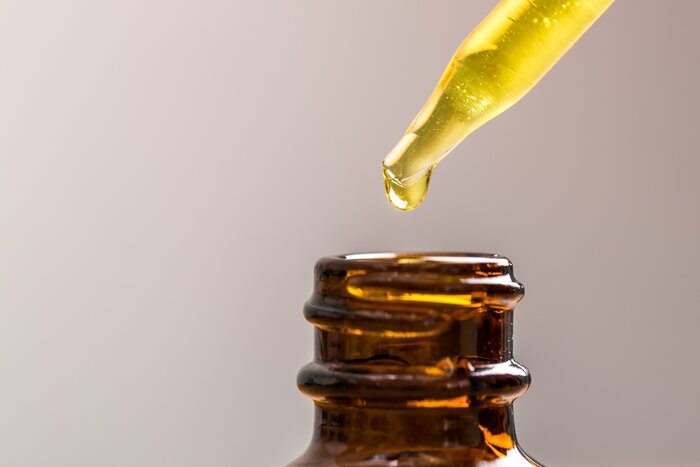
What is the Best CBD Oil to Buy?
If you’re suffering from HG and you’ve spoken to your doctor about possibly using CBD to alleviate your symptoms, the next step is to find the purest, most reputable CBD oil you can find. Doing so can cut down on concerns about toxic chemicals that can be harmful to your growing baby. Don’t just buy the most expensive blend you can find—look for the following factors if you’re concerned about CBD oil safety:
- Single-origin source. Ensure any CBD oil you choose is coming from one place, rather than a blend of random sources. According to Consumer Reports, Colorado is a good source for CBD oil. That’s because the state conducts soil testing to check THC levels and investigate illegal pesticide use.
- Grown in the USA. Products made with hemp grown overseas can be even more problematic, because they are not subject to any state or federal testing, says Consumer Reports.
- Clearly labeled concentration. Be sure to check the concentration of CBD per dose, rather than simply in the entire bottle.
Alternatives to CBD Oil
Not sure you’re ready to give CBD oil a try? There are other ways to get relief for what ails you during pregnancy. Below, we’ve listed a few alternatives for common pregnancy issues that you can try if you’re concerned about CBD oil safety.
- Nausea: try ginger. It really works! Find a good-quality ginger tea and sip on it all day, or use cold ginger ale if you prefer something sweeter. In addition, there are lots of ginger candies you can suck on to get relief from typical morning sickness in the first several weeks of pregnancy.
- Anxiety: Try the homeopathic remedy called Argentum nitricum, asserts an article in Psychology Today. “Argentum nitricum is likely to allay both the anxiety and digestive symptoms” of a mom-to-be dealing with daily anxiety.
- Fatigue: Try drinking a refreshing mint tea to help you feel more awake, or coconut water to balance electrolytes. Still drowsy? Get out and take a walk. Even a short stroll can work wonders to wake you up a bit and help you get through the day. And of course, if it’s at all possible, try to make time for a 15-minute nap when you’re feeling the most sleepy.
