Wireless Chargers: Everything You Need to Know Plus the 5 Best Brands to Buy
Wireless Phone ChargersWireless Chargers: Everything You Need to Know Plus the 5 Best Brands to Buy
Averil Gleason
Let's be frank for a moment here: Wired charging isn't that terrible. But there are lots of little aspects of wired charging that are universal pet peeves: The tangle of cords (and how unattractive it looks), crowded outlets, adapters and dongles — even those extra seconds it takes to plug in your device. Wireless charging is now here — and pretty widespread, as well — to fix all of your charging pet peeves, however major or minor they may be.
In this article, we'll dig into the biggest questions about wireless chargers and how they compare to wired chargers in terms of speed, safety, and efficiency. And we'll also recommend five brands selling the best wireless chargers for your phone, headphones, smartwatch, and more.
The Big Questions About Wireless Chargers
What are wireless chargers?
Simply put, wireless chargers are a cable-free way of charging your devices. They usually look like technologically-advanced lily pads, but instead of frogs and toads sitting atop them, they're a place for your phones, smartwatches, and more.
Wires are so 2000-and late. And we hate to break it to you, but that goes for wired headphones and chargers and everything in between. Which sounds crazy. But in the emerging space of cell phone accessories, wireless chargers are making waves, and we want to let you know why.
How do wireless chargers work?
Things are about to get technical. Wireless chargers work due to the transfer of energy between two moving coils within the wireless charging pad [1]. When the electricity hits the coil, it creates a tiny electromagnetic field. And when your phone or other device is touching the charger, it passes the current along.
Are wireless chargers really wireless?
Wireless chargers are wireless from charger to phone (or headphones, watch, and so on), but the energy has to come from somewhere. So you will need to plug the charger into a wall outlet.
Are wireless chargers safe for my battery?
Wireless chargers are no more dangerous to your battery life that wired chargers — and that danger might even be lower than you think. Scientists have found that it’s not always the charger that wears down the battery life, but rather the external temperature [4]. Many of the wireless chargers available have fans and cooling systems built in. But it’s not an issue that’s confined to wireless charging – you probably notice your phone heating up when it’s plugged in too. Don’t leave your phone sitting in direct sunlight or in a hot car. And don’t use uncertified wireless charging pads or wired chargers. All of these could affect the battery life negatively.
Are wireless chargers dangerous?
Wireless chargers create a small electromagnetic field, and that sure sounds dangerous. But even with those waves, scientists generally don’t think electromagnetic fields are a health concern, especially from something as small as a wireless charger [2]. The range of EMFs emitted by a wireless charger is quite low, and only active while in use [3]. Ultimately, they’re no more harmful than the EMFs your cell phone or microwave or hair straightener emit.
All chargers create some heat when they’re in use, but wireless chargers have a failsafe technology that turns them off when they start to overheat, thus further protecting you and your devices.
Are wireless chargers faster?
Wireless chargers work at about the same speed as plug-in chargers, although they may be a little slower. Unless, that is, you get wireless charger with fast charging capabilities.
But there's a trade-off for fast charging. The faster your battery charges, the shorter the battery’s longevity becomes because of the heat needed to charge your phone. In turn, your battery slowly disintegrates. So if you do get a fast charging wireless charger, make sure it has a cooling fan built in so it can charge your phone without overheating it.
Are wireless chargers slower?
Wireless chargers were created to elongate your phone’s battery life, and in doing so, they may charge a little slower in order to keep your phone from frying out. The average wireless chargers bring a nearly-dead phone up to 50% charged in an hour, around half as fast as a wired charger. But any wireless charger can still fully charge any phone overnight [5]. Be wary of chargers that work too well — they may be overheating your phone and potentially affecting your battery.
Are wireless chargers efficient?
Wireless chargers are not as efficient as wired chargers. When using a wireless charger, you are, essentially, wasting electricity. That’s because the wireless charger creates an electromagnetic field and not all of the waves go into your devices. While cable chargers use 14.26 watt-hours to charge a phone completely, wireless chargers use almost double that amount.
Are wireless chargers magnetic?
Wireless chargers are magnetic, but not the kind of red horseshoe magnets you may be thinking of. A transmitter (in this case, a charging pad plugged into a power outlet) creates an oscillating magnetic field with a receiver (the phone). The receiver gathers current through a special antenna, which can then be stored in the device's battery [6].The magnetic field is so strong, it holds the phone in place. And in some chargers, it can hold a phone at an upright angle.
What are qi-compatible wireless chargers?
Qi (pronounced chee, by the way) is a wireless charging method that’s been adopted by most major phone manufacturers. Qi is not the only wireless charging method available, but it's the first one supported by both Samsung and Apple [6]. The availability of off-the-shelf chips and compact components encouraged early adoption by many Android manufacturers, including Nokia, LG, and HTC in 2012. Eventually, others like Apple got on board, and within the next few years, nearly every major Android phone maker will be qi-compatible.
Which iPhones use wireless chargers?
If you have an iPhone 8 or later, you can use a wireless charger. That includes iPhones SE, X, all of the iPhone 12s, and all of the iPhone 13s. Apple Watches and some models of AirPods can also charge wirelessly.
What wireless chargers work with PopSockets?
Charging your phone that has a PopSocket on it with a wireless charger is… going to be difficult. Your best bet is to take the case and adjoining PopSocket off your phone before placing it on the charger. Some wireless chargers will work temporarily with the PopSocket attached, but because the electromagnetic frequency is so low on wireless chargers, it won’t hold up for long.
Which wireless chargers work with OtterBox?
Wireless chargers are good for cases with a back panel up to 5 millimeters thick (OtterBoxes are around 2 mm thick). But we’d recommend removing the case before charging for maximum charge.
The 5 Best Brands for Wireless Chargers
Courant - best luxury wireless charger
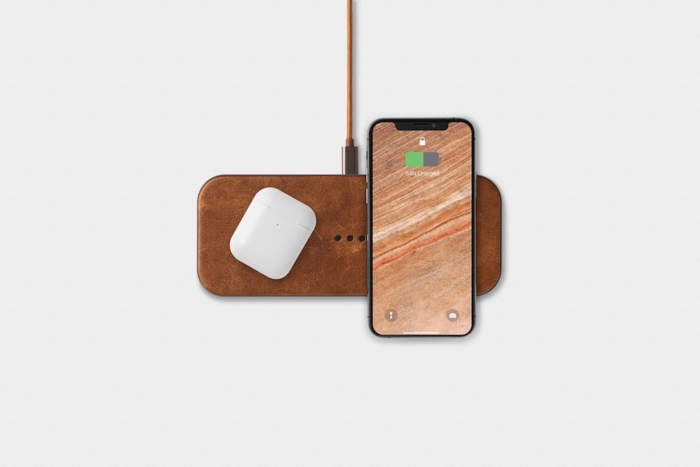
Courant, $150
This wireless charger wasn’t named as one of Oprah’s Favorite Things for nothing. The Courant wireless charger can charge more than your phone — many models have enough space for a tablet, headphones, and more. The design of the Courant wireless charger is sleek and understated, plus the leather material fits right into your side table without taking up too much space or being too flashy. This wireless charger comes with three coils for faster charging without overheating your devices. And if you want to take it a step further, you can get it monogrammed.
NYTSTND - best wireless chargers for your nightstand
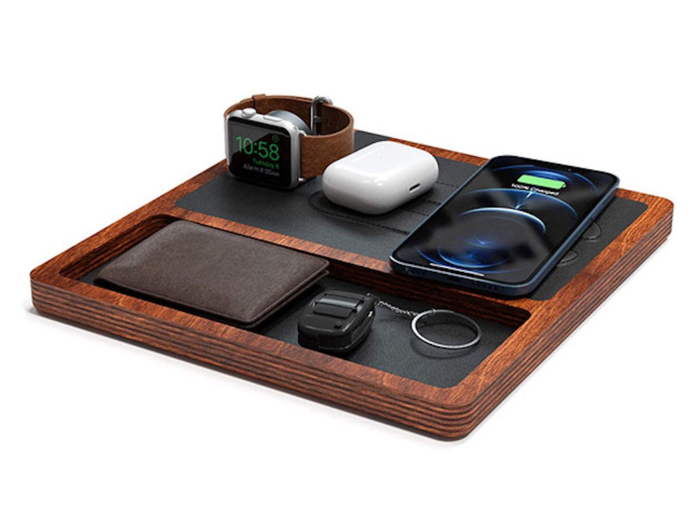
NYTSTND, $184
It’s no coincidence that the NYTSTND is the best wireless charger for your, you know, nightstand. The NYTSND is a four-in-one charger that seamlessly charges your phone, tablet, wireless headphones, and smartwatch on a wood-based block. That way you can keep all your tech in one place. And when you need your devices in the middle of the night or first thing in the morning, they're all there. And all charged.
Belkin - best wireless chargers from a big name brand
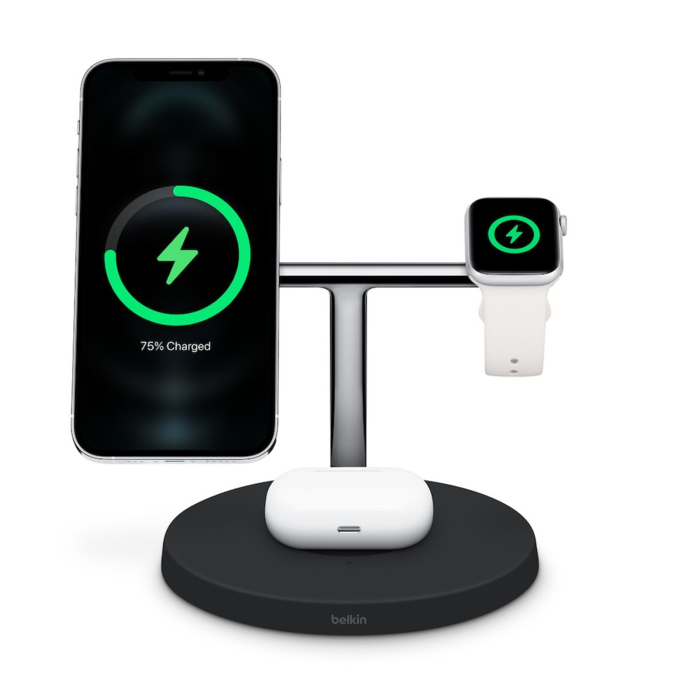
Belkin, $149
Founded in 1983, Belkin brand has been a major player in handling your charging needs since long before smartphones were on anyone's radar. So when wireless chargers emerged in the tech space, Belkin was all over it. Belkin offers a dozen different wireless chargers of all sizes — some will just charge a phone, some are set up to charge multiple devices at once. You can also be confident that Belkin products are well-engineered and won't cook your phone while charging it.
Fast Charge - best wireless chargers for fast charging
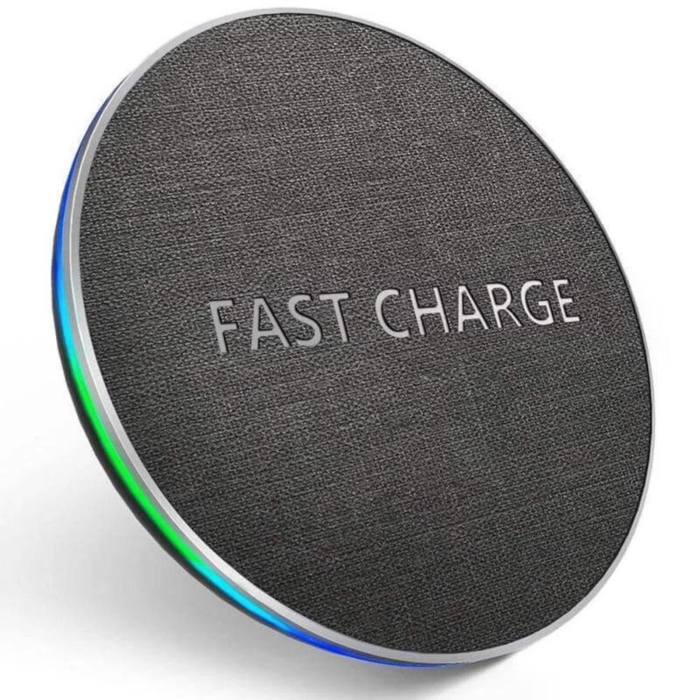
Fast Charge, $40
The Fast Charge wireless charger certainly lives up to its name. This four-in-one charger can charge your devices in mere minutes, without overheating your phones, tablets, smartwatches, or headphones. Fast Charge chargers are built with overheating protection and automatic power-off technology that guarantees the safety of the device(s) you’re charging.
SMAZA - best wireless chargers for the car
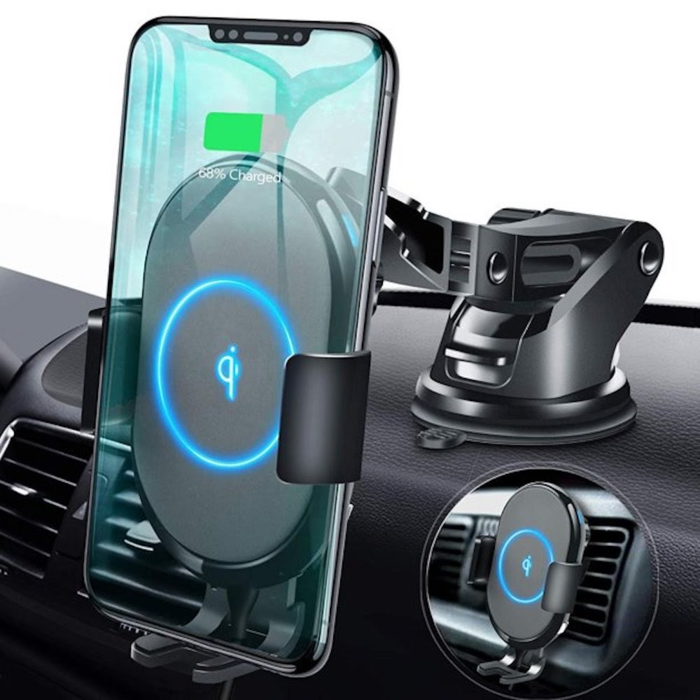
Smaza, $30
The only thing worse than not having a car charger is having a car charging cable that’s always finicky. You know the kind. SMAZA chargers change all that. This wireless charger for your car is not only good for charging your phone, it’s also a way to stay hands-free when driving. That way you won’t get a $158 ticket just because you were Google Maps-ing directions.
External references
