The Top 10 Plants in the Philippines Used as Alternative Medicines and Cures
Plants, Seeds & BulbsThe Top 10 Plants in the Philippines Used as Alternative Medicines and Cures

If you’re feeling under the weather and not sure what to do, maybe the answer to your problem is in your backyard. Well, maybe not your backyard specifically. But there are alternatives to medication. And they’re homegrown.
For example, the Philippines is a place abundant with plants and herbs that act as remedies for anything from the common cold to infections. With more than 7,000 islands, it’s no wonder Filipinos rely on hundreds of plants as herbal medicines.
Western medicine can get pricey, and when you have the opportunity to grow natural remedies in your garden or pick them up from a supermarket, it makes combatting an illness a little less stressful.
Considering the expensive western medicines that most Filipinos could not afford, and the need for everyone to protect themselves from these minor illnesses, herbal medicines have gained wide acceptance and popularity among Filipinos in providing basic medical care. Herbal medicines are also used by Filipinos who live in Geographically Isolated and Disadvantaged Areas (GIDA) --- those who don’t have sufficient access to medicines because of where they’re located, thus, clinics and pharmacies are very scarce if not available at all.
Then-President Fidel V. Ramos appreciated the importance of the traditional medicine program, and to make sure that everyone has options for affordable and effective medications for these minor ailments, he signed the Philippines implemented Republic Act No. 8423, known as the Traditional and Alternative Medicine Act (TAMA) of 1997. This act created the Philippine Institute of Traditional and Alternative Health Care (PITAHC) to further the development of traditional and alternative medicines in the Philippines --- a government-owned and controlled corporation (GOCC) attached to the DOH to answer the present needs of Filipinos on health care and to promote and advocate the use of traditional and alternative healthcare modalities through scientific research and product development.
This act does not only make Filipinos confidently rely on herbal medicines, which are available in abundance, locally, but this also provides a good business opportunity for many local farmers. Since then, the Philippine Department of Health (DOH) through its "Traditional Health Program" has endorsed 10 medicinal plants to be used as herbal medicine in the Philippines due to its health benefits. These herbal medicinal plants have been thoroughly tested and have been clinically proven to have medicinal value in the relief and treatment of various ailments.
In this article, we’re going to go over these ten plants and whether or not you can get your hands on them in the United States.
Before you switch out your inhaler for bitter gourds, talk to your physician about the possible side effects of transitioning from medication to herbal remedies. While we at Knoji are experts on all things plant-related, we don’t have a Ph.D. in western medicine.
Now, let’s dive in, shall we?
Bitter Gourd (Ampalaya) – Momordica charantia
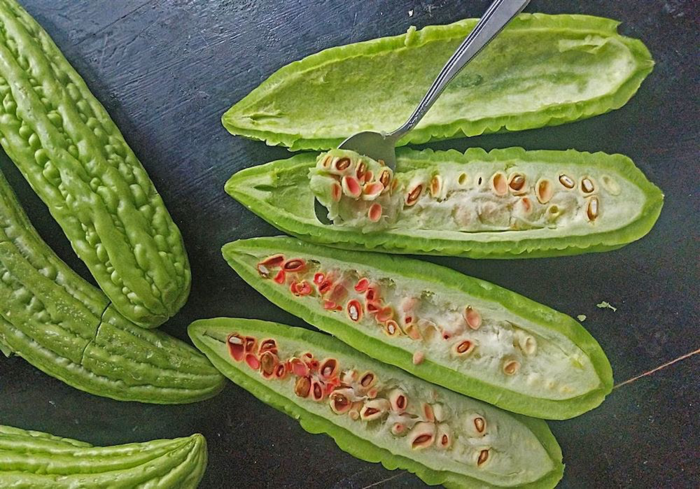
This plant is native to eastern India and southern China. Bitter gourd is a green-skinned vegetable with white to translucent flesh and a taste that fits its name. It favors hot and humid climates with plenty of sunshine and regular water access. Today, you can find bitter gourd growing in fields across Asia, though it has also become popular in the Caribbean and South America.
The bitter gourd is filled with health benefits [1]. It fights inflammation and contains bioactive compounds called saponins and terpenoids, which are beneficial for diabetes management. The saponins and terpenoids in bitter gourd may help move glucose from the blood to the cells while also helping your liver and muscles better process and store glucose.
This plant is available in the United States. You can find it at a local grocery store or as a supplement or tablet in the pharmacy.
Ringworm Bush (Akapulko) – Cassia alata

The Akapulko plant, commonly known as ringworm bush or senna, is an erect medicinal shrub that is distributed mainly in the tropics and sub-tropics. Almost all parts of the plant have medicinal uses [2]. Decoctions of the leaves, flowers, and bark are used to treat skin diseases such as eczema or pruritis (itching), while a decoction of the wood is useful in cases of constipation.
The plant is a source of a wide array of compounds such as alkaloids, lectins, glycosides, isoflavones, and phytoestrogens, hydroxyanthraquinones, chrysophanic acid, kampferin, and sannoxide A and B.
Leaf extracts from this species have shown several pharmacological, anti-microbial, and anti-fungal properties, anti-bacterial, anti-inflammatory, analgesic effects, and anti-hyperglycemic activities.
This plant is locally abundant throughout the Philippines in settled areas at low and medium altitudes. The akapulko has been known to grow in Central Texas.
Garlic (Bawang) - Allium sativum
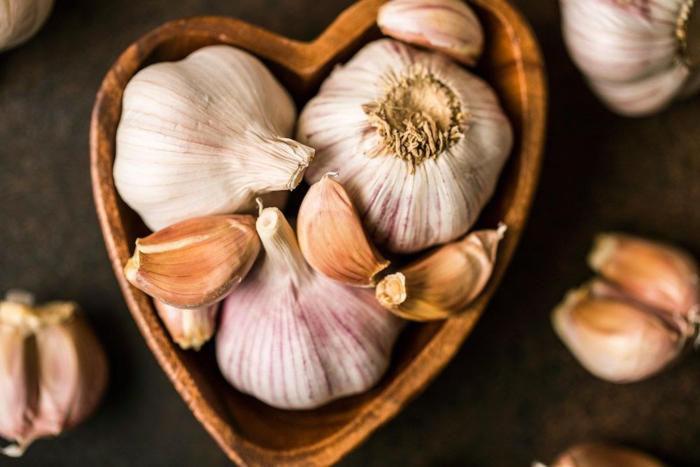
Garlic is a plant in the Allium (onion) family. It’s closely related to onions, shallots, and leeks. Throughout history, the main use of garlic was for its health and medicinal properties. And not just forwarding away vampires.
Its medicinal properties have been known for a long time and have been especially proven during World War II when it was used to treat wounds and infections of soldiers [3]. Garlic antibacterial compound known as allicin, saved many lives of the soldiers as this property prevented the wounds from being infected and developing into gangrene at a later stage by extracting the juice of bawang or garlic and applying it to the wounds.
Today it’s used to combat sickness, including the common cold because garlic supplements are known to boost the function of the immune system. The active compound in garlic can reduce blood pressure. At high doses, the sulfur compounds in garlic have been shown to protect against organ damage from heavy metal toxicity. It also reduced many clinical signs of toxicity, including headaches and blood pressure.
You can get both garlic and garlic supplements anywhere in the United States.
Guava (Bayabas) - Psidium guajava
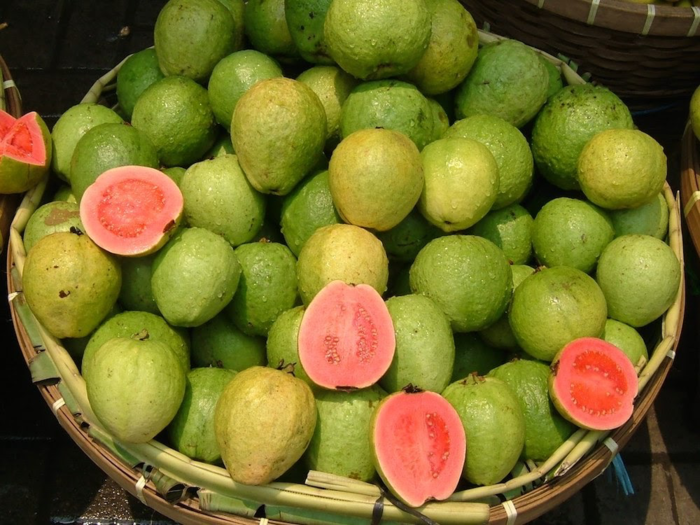
Guava is a tropical fruit that grows best in the dry or humid heat. This plant is loaded with nutrients. Not only does it have more Vitamin C than oranges, but guava is also rich in other antioxidants, and has been shown to have several great health benefits.
Filled with fiber, the guava plant has been shown to help with IBS and can ease the symptoms of constipation and diarrhea. Guava leaves are known to help relieve uterine cramps [4]. Guava trees aren’t common in the United States, but you can get guava from most grocery stores.
Five-leaved chaste tree (Lagundi) - Vitex negundo

This erect shrub or small tree is widely used in folk medicine in South and Southeast Asia. Its name, the “chaste tree,” refers to the fact that this plant consists of substances that decrease libido (a person who consumes chaste berry stays “chaste”). Chaste trees are also known as “monk’s pepper” because of the frequent usage of chaste berry in the control of sexual desire in the monasteries in the past.
Every part of this tree, such as leaves, flowers, fruits, and roots, contains powerful different medicinal values and provides effective treatment for several health conditions. It can be used in various formulations such as powder, decoction, and paste to treat body pains, joint pain, sciatica, and arthritis. Smoking the dried leaves of nirgundi helps to provide great relief from headaches, PMS, and menopause. [5]
Although it’s native to Asia, you can grow chaste trees in the United States. It’s best grown in loose, medium moisture, well-drained soils in full sun.
Chinese honeysuckle (Niyog-niyogan) - Quisqualis indica

The Chinese honeysuckle isn’t just a beautiful plant with egg-shaped leaves and an aromatic flower. This oval-shaped plant has medicinal purposes in its leaves, seeds, and roots.
Honeysuckle is used for digestive disorders including pain and swelling (inflammation) of the small intestine (enteritis) and dysentery; upper respiratory tract infections including colds, influenza, swine flu, and pneumonia; other viral and bacterial infections; swelling of the brain (encephalitis); fever; boils; and sores. Honeysuckle is also used for urinary disorders, headaches, diabetes, rheumatoid arthritis, and cancer. Some people use it to promote sweating, as a laxative, to counteract poisoning, and for birth control.
This plant grows primarily in North Carolina, but you can get it anywhere in the U.S.
Shiny Bush (Pansit-pansitan) - Peperomia pellucida

This is a small, fleshy herb that grows in yards, nooks, and other damp areas. The shiny bush has green, heart-shaped leaves, fleshy stems that produce tiny flowers on a spike. The small, oblong-shaped fruits turn black when ripe. Parts used are leaves and stems.
This herbal medicine is also known for its effectiveness in treating arthritis and gout. A solution of the fresh juice of stem and leaves is used against eye inflammation. It has also been used to combat coughing, fever, the common cold, headache, sore throat, diarrhea, kidney - and prostate problems, and against high blood pressure.
Because it grows in clumps, thriving in loose, humid soils and a tropical to subtropical climate, the shiny bush can be grown in the United States and is very popular in South America as well.
Blumea camphor (Sambong) – Blumea balsamifera

The Sambong is a tall, erect, shrub that grows in grasslands, open fields, and waste areas. This strongly aromatic herb with elongated leaves and yellow flowers can reach 13 feet tall at maturity. Leaves are used to treat certain medical conditions.
This is a very popular Philippine herbal flowering plant used as medicine to treat wounds and cuts, rheumatism, anti-diarrhea, anti-spams, colds, and coughs. It is also used for infected wounds, respiratory infections, and stomach pains. Sambong is very popular among people with kidney problems because of its diuretic qualities. It can be taken as an early afternoon tea to maintain a healthy urinary tract. It also helps flush uric acid as well. You can find sambong tea or supplements online or in stores in the United States.
Fukien tea tree (Tsang Gubat): - Ehretia microphylla Lam
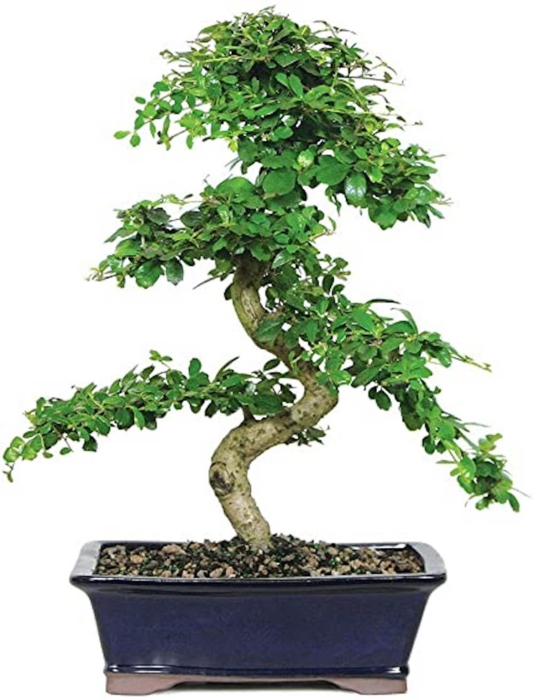
Tsang Gubat is a shrub that grows abundantly in the Philippines. The plant bears white flowers that develop into fleshy, yellow-orange fruits when ripe. You may know it best as a bonsai tree. In folkloric medicine, the leaves had been used as a disinfectant wash during childbirth, as a cure for diarrhea, and as a tea for general good health. Because Tsang Gubathas is known for containing high fluoride content, it is used as a mouth gargle for preventing tooth decay.
Today, the leaves are traditionally used for medicinal purposes as an anti-spasmodic, mouthwash, and body cleanser, attributed to the effects of different components (phenolic acids, flavonoids, benzoquinones, cyanogenetic glycosides, and fatty acids).
Fukien tea trees are sold in the United States.
Mint (Yerba Buena) - Clinopodium douglasii
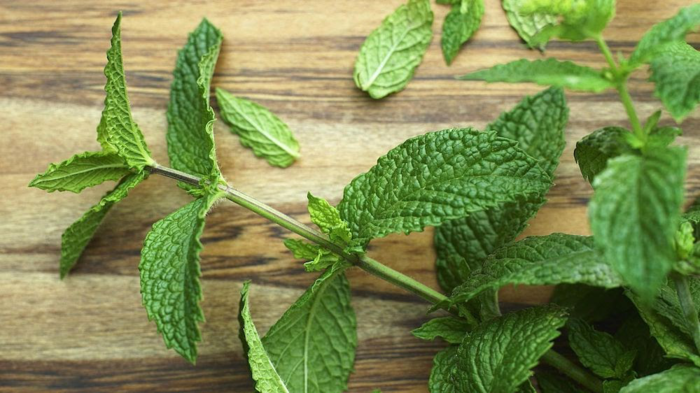
Mint is more than just for making your breath smell good. It is an aromatic, prostrate, glabrous, slightly hairy, branched herb. It is cultivated throughout the Philippines and is propagated by terminal cuttings.
Mint has been used in traditional medicine to treat a variety of ailments for many years. [6] When it comes to medicinal uses, mint is perhaps most popularly known as a remedy for digestive problems. Taking peppermint oil reduces abdominal pain and helps treat irritable bowel syndrome without producing side effects.
Mint grows natively on all continents besides Antarctica.
Buying Guide
Want your holistic garden filled with Filipino plants? Get your hands on a mint plant from Hirt’s Garden.
Or maybe you’d want to get your very own Fukien tea tree from 1800Flowers.com.
There’s also True Leaf Market, where you can get your pick of whatever plant or herb you want to grow that could be beneficial to your health.
Biblio sells the Guava as a Medicine book, which could be helpful if you’re looking for a safe and cheap form of food therapy.
If you love garlic as much as the Filipinos do, and want to use it as a remedy or just for dinner, check out the garlic press sold at Bed Bath & Beyond.