The High Cost You Could Pay for Ignoring Your Kidney Health
EducationThe High Cost You Could Pay for Ignoring Your Kidney Health

Your kidneys are one of the essential organs located on both sides of your spine just beneath the rib cage. Approximately a million tiny filtering units called nephrons are found in each of your kidneys which assist in filtering body waste. From about 200 quarts or about 189 liters of blood, it is estimated that about 2 quarts or about 1.89 liters of waste substances and water are being eliminated in the form of urine.
Kidneys do a great job for your body, not just filtering the water and waste products produced in your body every second. In addition to cleaning blood, the job of your kidneys is to help regulate blood pressure, preserve bone strength and aid in the synthesis of red blood cells, among others things.
What is the High Cost for Ignoring Your Kidney Health?
Kidney Transplant

Kidney transplant is not always considered the complete cure for those with kidney problems. Still, it is by far the best ever alternative for a person with end-stage renal disease (ESRD). Often, the donated kidney comes from a living relative or from a donor who recently passed away. After the kidney transplant, the recipient may still need to take immunosuppressants for their whole life to ensure that their immune system does not attack or refuse the new kidney.
Dialysis
Dialysis is the most commonly seen treatment for those with kidney failure. However, it is seen as a temporary solution to replace part of the kidney function. Haemodialysis and peritoneal dialysis are two examples of dialysis.


In comparison to haemodialysis, peritoneal dialysis is more convenient since it can be performed by the patient themselves in the comfort of home. In this procedure, a dialysis solution or dialysate is introduced into the abdomen so as to capture the waste from the blood itself. The waste-filled fluid will later be eliminated via a catheter after several hours.
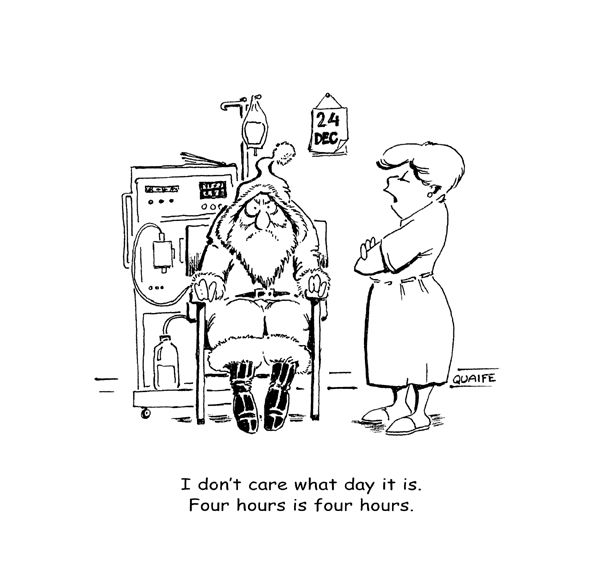
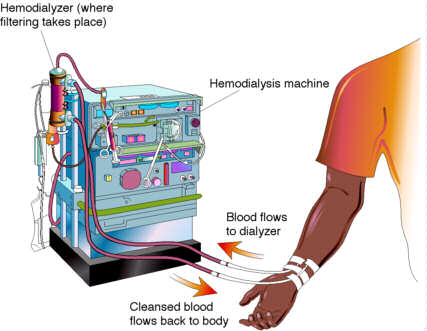
Haemodialysis is performed at a dialysis center for 3-4 hours, three times a week. In this procedure, blood flows to haemodialyser which is a canister connected to the haemodialysis machine. With the haemodialyser, waste, excessive water and salt from the blood is then removed. Later, the filtered blood flows back to the body.
End-stage Renal Disease
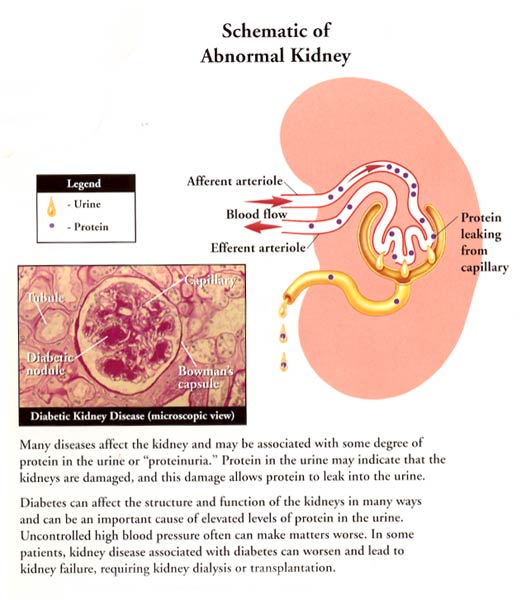
When the kidney function reaches near total and permanent damage, or fails completely to perform its function, the end-stage renal disease (ESRD) occurs in one’s life. When ESRD occurs, the body will be filled up with excessive waste, salt and water known as uraemia causing swelling in legs and hands. One will also experience tiredness due to the body cells lacking nutrients, oxygen and one begins to feel extremely weak. High blood pressure or hypertension may be the leading cause of kidney failure. Definitely, persons with ESRD need to have transplantation or dialysis immediately as when this condition is left untreated, the medical condition of diabetes, high cholesterol and high blood pressure can worsen the existing state of the kidney and can do further damage to the renal artery feeding it. Also, when uraemia is left untreated, one may experience coma, seizure and worst still, even death.
Final remark:
When you have weakened kidney function, please seek out appropriate medical treatment immediately to prevent your kidneys from being damaged by other existing health conditions problem.
You might also like my related article:
- Kidney failure or damage: causes, symptoms and treatments
- How to battle with kidney failure
- How to adopt good nutrition to delay CKD progress
- More dialysis-free years with practical diet modification
You can read more of my content here.
As always, stay well and healthy!