Foods Which Help to Protect and Prevent Against Prostate Cancer
EducationFoods Which Help to Protect and Prevent Against Prostate Cancer

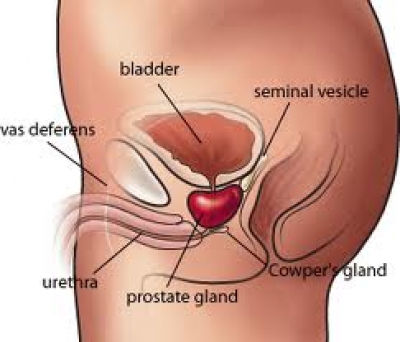 photo source
The prostate is a gland belonging only to males.
It is one he probably gives very little thought to until he gets older and finds his stream of urine weakens. His urge to use the bathroom may intensify only to find out once he gets to the restroom that he hardly has to urinate at all. Ninety per cent of men aged 70 or older will experience some sort of prostate problem. Many will have problems as young as 40, and prostate problems will adversely affect men in two very important areas of their lives; sex and sleep.
Some important facts about the prostate:• The prostate has an important role for bladder operation and urine flow.
• It also has a role to squeeze the milky seminal fluid into the uretha.
• The prostate furnishes the power to propel fluid through the penis during a climax.
• It contains fluid that protects a male’s genitals from infection and makes a woman’s vagina less acidic.
• The uretha runs right through the middle of it.
There are three major prostate diseases.• Benign Prostatic Hyperplasia or Hypertrophy (BPH)
• Prostatitis
• Prostate cancer
Symptoms to be aware of:• Frequent urination, particularly in the middle of the night
• A urination more difficult, uneven or unintentional
• Blood in the urine
• Sometimes a burning sensation with urination or ejaculation
• Pain in the upper thighs, lower back or pelvis
Things to Avoid:
• Tobacco
• Caffeine
• Alcohol (although tests are showing that in moderation wine and beer have antioxidants that help to prevent cancer)
• Antihistamines and decongestants harm some men
• Spicy and acidic foods bother some
• Stress – the prostate and bladder neck are rich with nerves that will respond to stress.
Foods that may protect or prevent:
• One 4 ounce glass of wine a day, particularly Pinot Noirs from California as they contain more resveratrol
• Researchers in Italy found that an antioxidant in hops called xanthohumol inhibits the growth of cancer cells
• Milk – high levels of vitamin D cut cancer risks
• Cooked tomatoes as they contain more lycopene than when raw. Two other good sources of lycopene are pink grapefruit and watermelon. Another product of cooked tomatoes is ketchup, particularly organic ketchup. The darker the ketchup the more lycopene it contains.
• I3C found in broccoli, cabbage, cauliflower, and Brussels sprouts. I3C or indole-3-carbinol helps to sweep up cancer causing substances before they have a chance to do any harm.
• Capsaicin found in chile peppers helps to stop tumor growth
• Cranberries contain ellagic acid which helps to prevent cells from becoming cancerous.
• Carotenoid rich foods such as Swiss chard, chicory, spinach, beet greens and cabbage.
• Quercitin an important flavonoid found in onions has been found to halt progression of tumors and onions also contain sulfur compounds which fight cancer.
• Pomegranate juice contains a combination of ingredients that are very helpful in the fight against cancer; anti-inflammatories, anti-oxidants and flavonoids.
• Saponin rich foods possess an array of weapons to aid the body in cancer protection. A vast assortment of vegetables, and herbs, along with potatoes, nuts and oats.
• The phenols in teas, black or green are wonderful antioxidants in the fight against cancer.
Dr. Duke highly recommends the following herbs:• Licorice
• Pumpkin seeds
• Saw palmetto
Male or female, eating healthy is beneficial.
One does not have to be battling cancer to begin eating healthy. As they say “An ounce of prevention is worth a pound of cure.”
References:
The Doctors Book of Food Remedies by the Editors of Prevention
The Green Pharmacy by James A. Duke, PhD
Natural Prostate Healers by Mike Fillon