Road Signs in Europe
EducationRoad Signs in Europe

Driving rules in Europe are very complex. Indeed, all of the various indications are essential to safe and efficient driving. Foreign travellers are often unaware of some of the driving rules existing in this part of the world, and as such can potentially be at risk. Fortunately, there has been a sustained effort to harmonize the road panels throughout all European countries in the past years. Some of the indications still differ from one country to the next, but the panels are conceived intuitively enough so that the driver may understand a panel when seeing it for the very first time.
Road panels are to be understood as a form of communication between drivers. They obey a code which allows the drivers to understand what they must do to safely go to their destinations.
A road panel has one of three functions:
- To warn the driver;
- To give an order to the driver (either something he cannot do or something he must do);
- Inform the driver by giving him informations;
Here is a list of all types of road panels in Europe:
Shape Colours 1 Colours 2
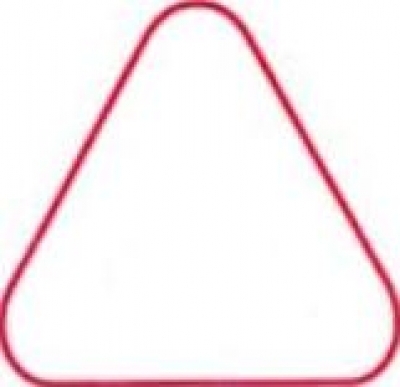
Warning
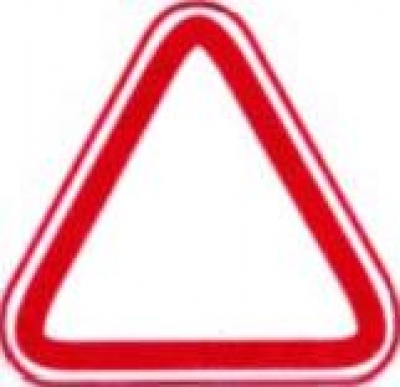
Permanent
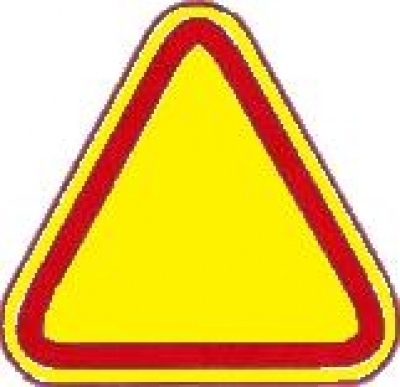
Temporary

Mandatory

Interdiction
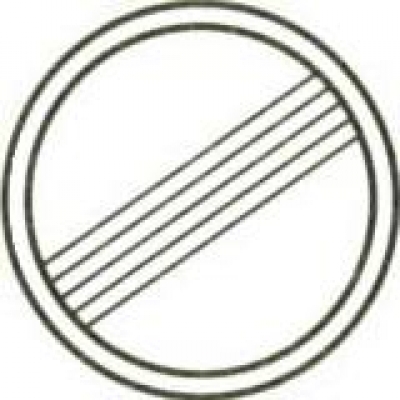
End of interdiction

Obligation
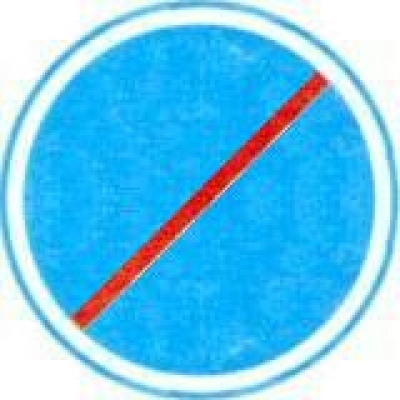
End of obligation

Informatory

Driving information

Indication of installation
In this way, each shape, each colour, and each symbol constitute a unique message when they are associated to one-another. Hence:
.jpg)
Order
+.jpg)
Interdiction
+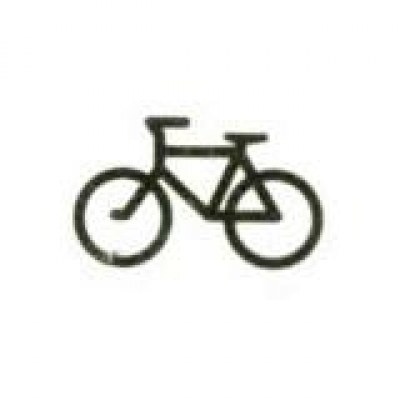
Bycicle
=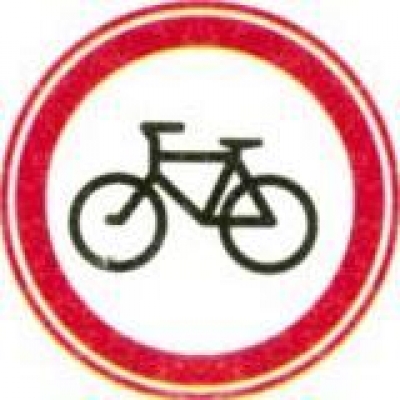
Road closed to bycicles
Here are some examples:
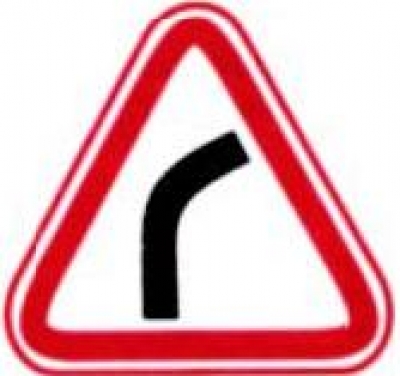
Sharp turn
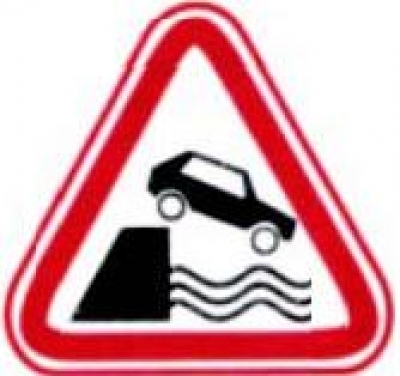
Road ends at dock
.jpg)
Bicycle crossing
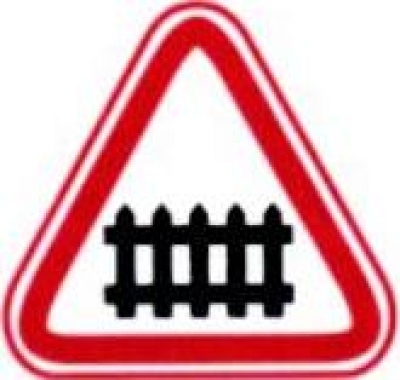
Railroad crossing with fence
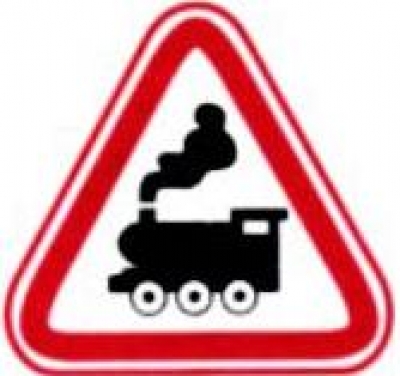
Railroad crossing without fence
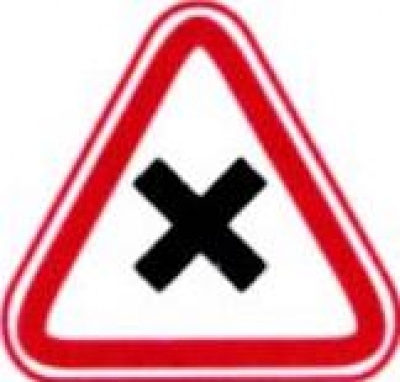
Yield to all vehicles coming
from the right
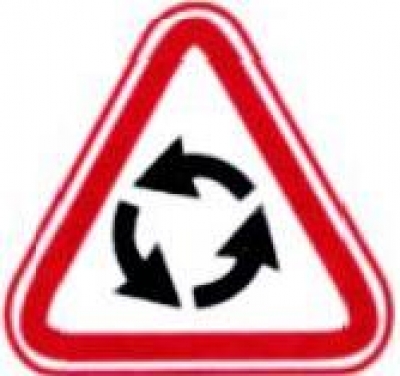
Roundabout
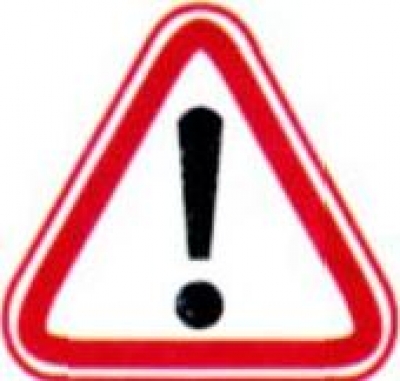
Misc. Warning
(often accompanied by
other indications)
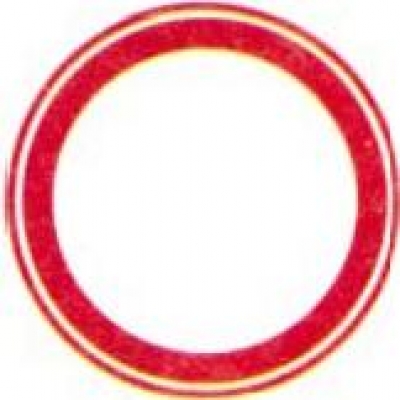
No entry
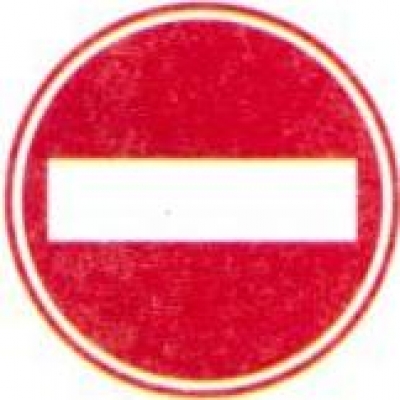
Wrong way
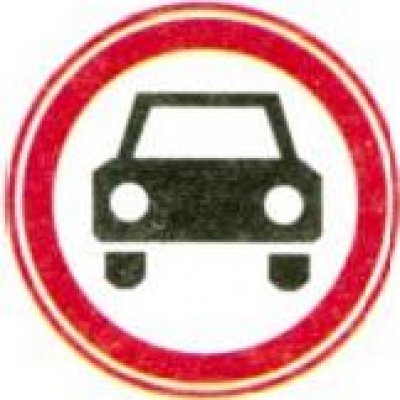
Road closed to cars
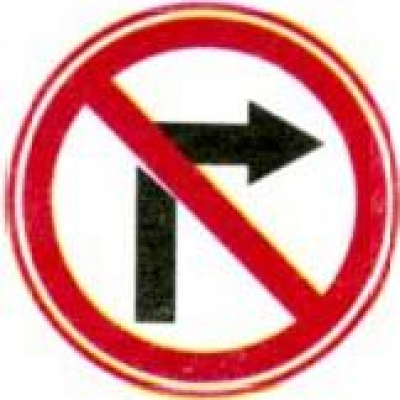
No right turn
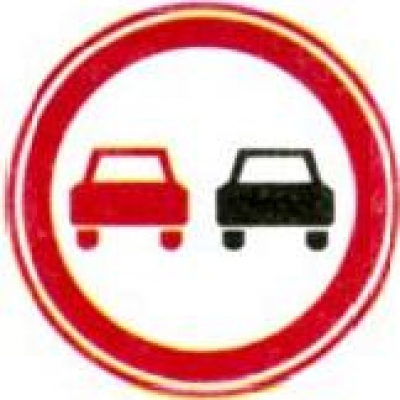
No passing
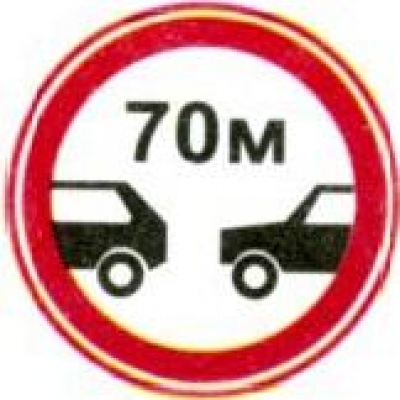
No closer than 70m
to leading cars
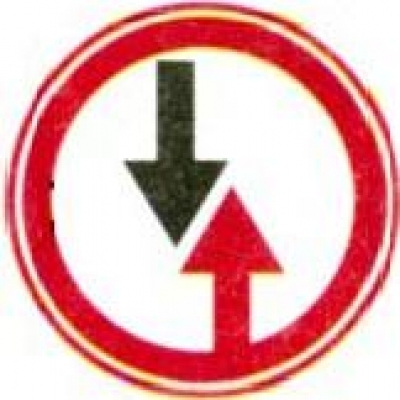
Yield to oncoming traffic
(interdiction of priority)
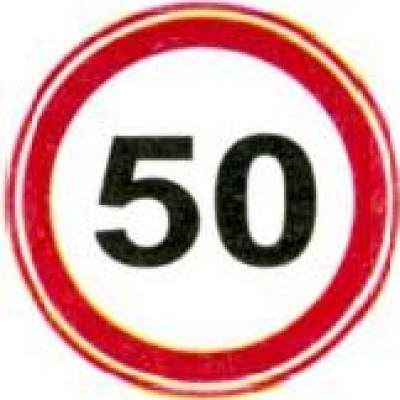
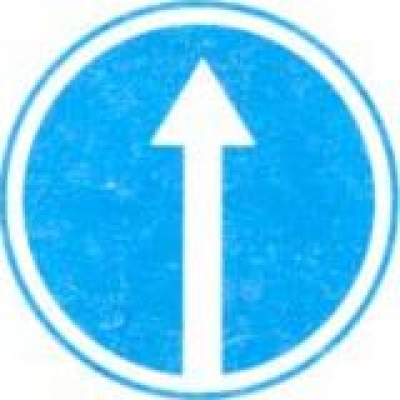
Obligation to go straight
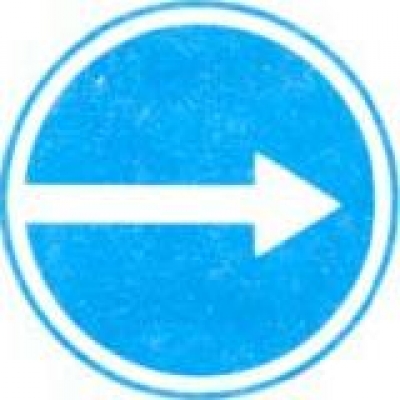
Obligation to turn right
before this pannel

Obligation to turn left or right
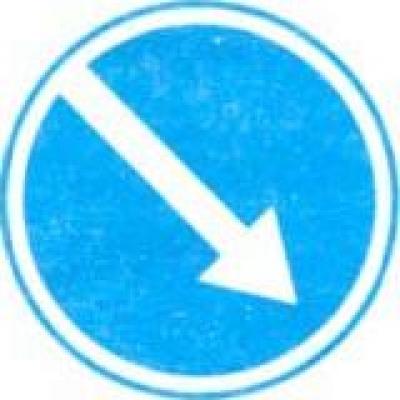
Obligation to pass obstacle
by the right
.jpg)
Obligation for bicycles to use this road
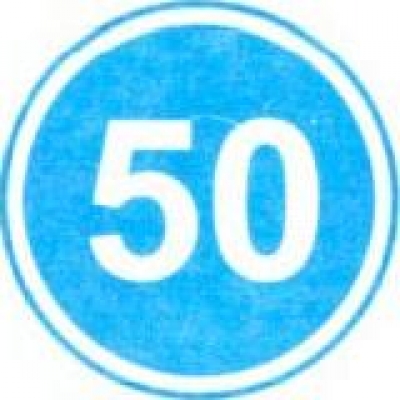
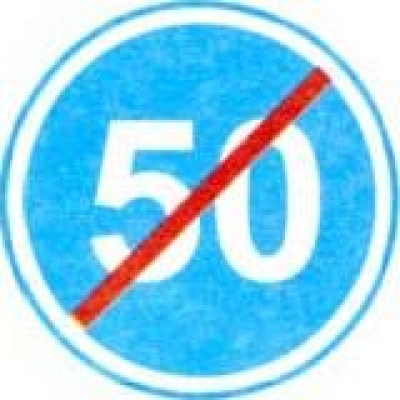
End of minimum speed obligation
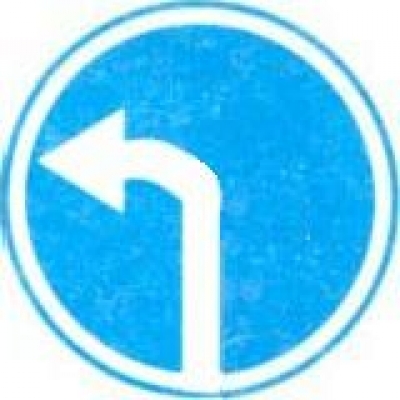
at the next intersection
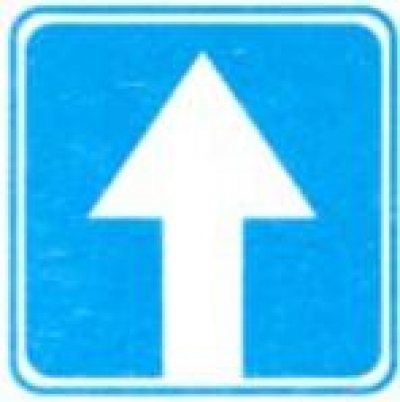
One-way circulation
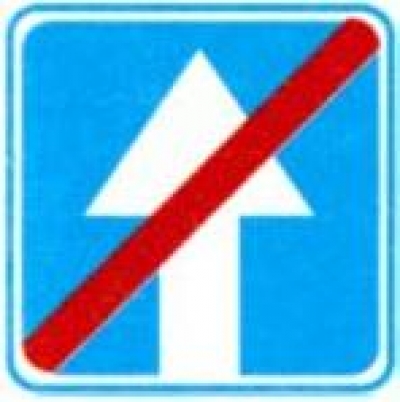
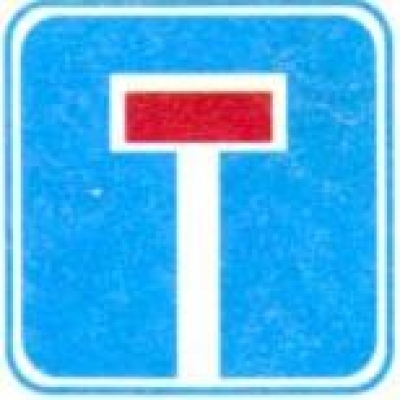
Dead end
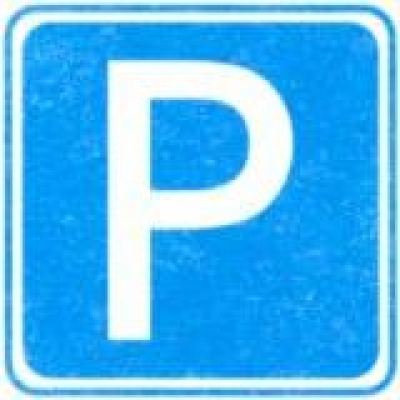
.jpg)
Recommended driving speed
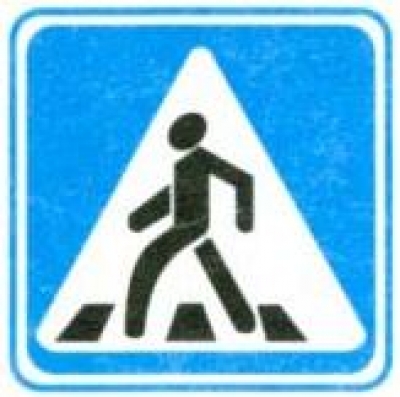
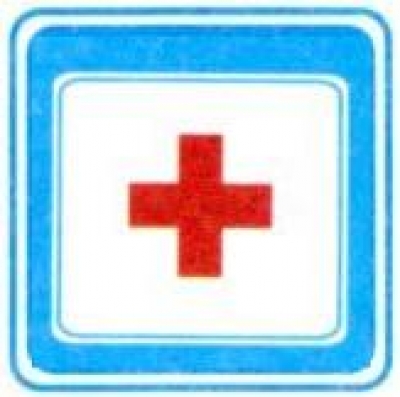
First-aid area

Furthermore, road panels in Europe can be combined to create more elaborate indications. Here are some examples.
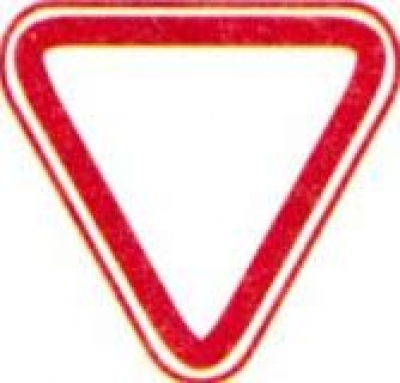
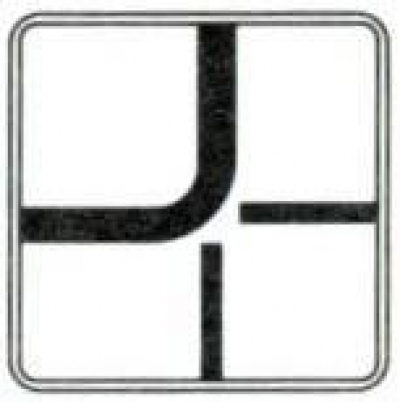
Yeld to traffic comming from the left
(the main road is indicated in bold)
.jpg)
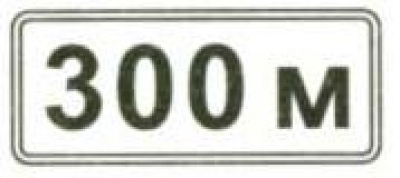
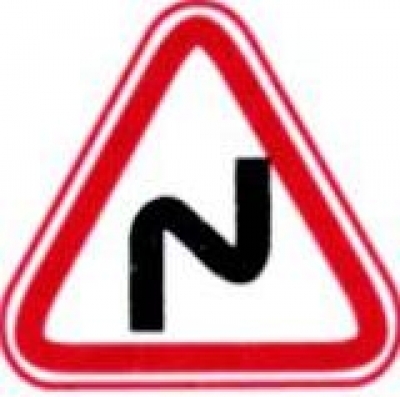
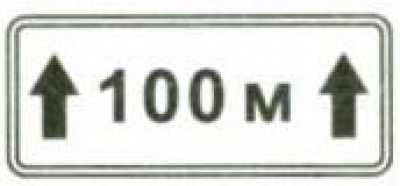
There will be dangerous curves
during 100m
.jpg)
.jpg)

Road closed to trucks weighing
more than 15 tonnes
.jpg)
.jpg)
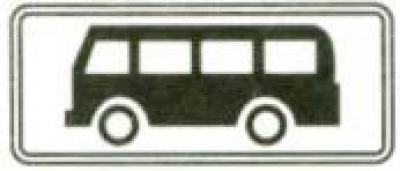
Parking area for buses
.jpg)
.jpg)
Speed limit for turn
.jpg)
.jpg)
but trucks must take another road
Panels do change slightly from one European country to the next, but they generally respect the same language codes. Hence, some symbols are more intuitive than others for the foreign driver. But knowing the basic codes of road communication is a first step in adapting to the driving climate and enjoying it.